
Organic Beet Root Powder vs Beet Juice: Which Is Better?
2025-12-24 13:08:13
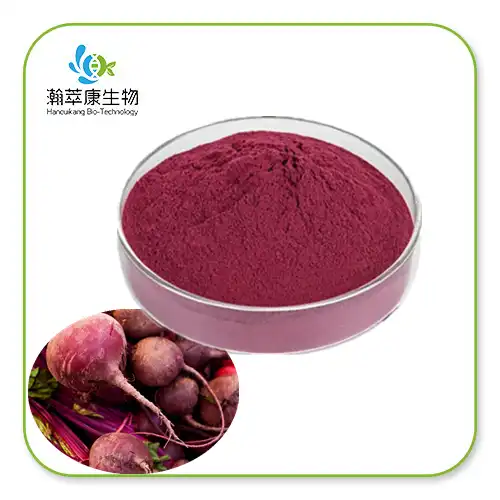
The demand for superfoods with quantifiable functional advantages has increased in the worldwide wellness sector. Beetroot has become a potent element among them. This root vegetable is well-known for having a high content of vitamin C, dietary fiber, betacyanins, and nitrates. These elements are crucial for preserving cardiovascular health and enhancing blood flow, which supports athletic performance. Beets' antioxidant qualities also aid in the body's fight against oxidative stress. The quality of the vegetable's cultivation is equally important to manufacturers and product creators when acquiring these components. In today's market, the "organic" certification is quite important. Customers are reassured by non-GMO origins, ecological agricultural methods, and the absence of chemical residues.
However, a major problem for industrial purchasers is a divergence in product shapes. The two main ways that this food is included in commercial goods are organic beet root powder and organic beet juice. While the juice is an extracted liquid that is frequently concentrated, the powder is made from dried, crushed beets. For formulators and procurement officials, this disparity presents important concerns. Which form keeps the most nutrients that are bioavailable? Which provides better supply chain logistics stability? Which is more cost-effective for production on a broad scale?
What Are They?
Before diving into the direct comparison, it is vital to understand the manufacturing nuances of these two distinct raw materials. The production method directly influences the final application in health supplements and functional foods.
Organic Beet Root Powder
The production of high-quality organic beet root powder is a meticulous process focused on preservation. Fresh, organic beetroots undergo thorough washing and slicing. The critical step is low-temperature dehydration. Manufacturers avoid high heat to prevent the degradation of heat-sensitive compounds like vitamins and enzymes. Once dried, the slices are ground into a fine mesh powder. Certain premium specifications may involve filtration to enhance purity. Crucially, strictly organic powders contain no added carriers, sucrose, or artificial preservatives.
The defining characteristic of this form is concentration. It typically requires approximately 10 to 15 pounds of fresh beetroot to produce a single pound of finished powder. This results in a potent, nutrient-dense ingredient. Furthermore, the low moisture content ensures excellent stability. Core nutrients, specifically nitrates, remain stable over longer periods compared to liquid forms, making it a preferred choice for dry mix formulations.
Organic Beet Juice
Organic beet juice production focuses on liquid extraction. The process usually involves cold-pressing fresh organic beets to extract the fluid. In the B2B sector, this is often available as a juice concentrate, which requires dilution, or as a single-strength liquid. Like the powder, organic certification mandates that these juices remain free from added sugars or synthetic additives, distinguishing them from commercial beverages found in retail grocery stores.
The core characteristic here is the "fresh" profile. The liquid retains the natural water content of the vegetable. However, it lacks the fibrous pulp, which is removed during pressing. While it captures the soluble nutrients effectively, it bypasses the dehydration process. This results in a product that feels closer to the raw vegetable in liquid form but presents different challenges regarding volume and stability.
Core Comparison: 5 Key Dimensions
For a manufacturer, the choice between powder and juice impacts everything from the nutrition facts panel to the bottom line. We analyze these factors below.
Nutrient Retention and Absorption
Nutritional density is the primary selling point of beetroot products. Organic beet root powder excels in retaining the full spectrum of the vegetable's profile. Because the entire root is utilized, pulp and all, the powder retains dietary fiber. This fiber is crucial for digestive health and helps modulate sugar absorption. The low-temperature drying process preserves the betalains and nitrates effectively. Conversely, beet juice is often stripped of fiber during the extraction process. While juice delivers a rapid spike of sugar and nitrates to the bloodstream, it lacks the sustained release provided by the fiber matrix found in the powder. For formulations targeting holistic health rather than just a quick energy spike, the whole-root profile of powder offers a more comprehensive nutrient package.
Convenience (Storage + Consumption)
Logistics often dictate ingredient choice in the B2B sector. Powder holds a distinct advantage regarding storage and handling. Its low moisture content renders it shelf-stable for extended periods without the need for refrigeration. It is lightweight and compact, occupying minimal warehouse space. This contrasts sharply with beet juice. Liquid ingredients are heavy and voluminous. They often require climate-controlled transport and storage to prevent spoilage or fermentation. For a manufacturer, the operational overhead of handling liquid drums is significantly higher than handling foil bags or drums of powder. Stability issues in juice can also lead to higher waste rates in production.
Taste and Culinary Flexibility
The sensory profile of beetroot is naturally earthy, often described as having a "dirt-like" taste due to geosmin. In product development, masking or balancing this flavor is key. Beet juice has a pervasive, strong flavor that can dominate a liquid formulation. It is difficult to hide. Powder, however, offers greater versatility. It can be encapsulated to bypass taste entirely. In functional food applications, such as protein bars or bakery products, the powder blends easily with other dry ingredients like cocoa or berry powders, which effectively mask the earthiness. This flexibility allows R&D teams to create a wider array of SKUs, from capsules and tablets to drink mixes and gummies, using a single raw material source.
Cost-Effectiveness
Cost must be analyzed through the lens of yield and logistics. The concentration ratio of organic beet root powder implies that a small quantity delivers a high functional dose. A manufacturer buys less physical weight to achieve the same nitrate standard compared to juice. Furthermore, shipping water is expensive. When purchasing juice, a significant portion of the freight cost is attributed to water weight. Powder eliminates this expense. The reduced need for refrigerated warehousing further lowers the total landed cost of the ingredient. For large-scale production runs, the economics heavily favor the dehydrated form.
Target Audience
Understanding the end consumer helps clarify the choice. Athletes and sports nutrition buyers often seek high nitrate levels for endurance. Both forms serve this need, but powder is increasingly popular in pre-workout mixes due to convenience. However, the general wellness demographic often values digestive health and weight management. Here, the fiber content in the powder becomes a unique selling proposition that juice cannot match. Additionally, clean-label consumers prefer the "whole food" aspect of powder, viewing it as less processed than extracted juice. By selecting powder, manufacturers can appeal to both the performance market and the holistic health market simultaneously.
Beet Root Powder Supplier: Hancuikang
For manufacturers seeking a reliable source of premium ingredients, the quality of the raw material is paramount. Organic beet root powderfrom Hancuikang is an excellent source of folate and a good source of manganese. It contains betaines, which may function to reduce the concentration of homocysteine, a homologue of the naturally occurring amino acid cysteine.
Features:
Specification: 4% Betanin
Ratio: 4:1 ~ 20:1; Straight Powder; Juice Powder
Color: E=4-100
Appearance: Red-purple to deep-purple fine powder
Hancuikang stands out in the global market through a technology-driven approach. Our company holds multiple core patents in biotechnology and introduces over 100 new products annually. We ensure your supply chain is secure and compliant. Our product portfolio is diverse, covering over 50 characteristic extracts, supported by strict adherence to EU EC396 and ISO9001:2015 standards. With a global layout exporting to over 50 countries, we provide customized formulations to meet your specific product positioning.
For inquiries regarding specifications or to request a sample for your next formulation, please contact us at fxu45118@gmail.com.
FAQs
A: Generally, no. High-quality manufacturers use gentle, low-temperature dehydration methods specifically designed to preserve heat-sensitive compounds. This ensures that the nitrate content remains potent and bioavailable in the final powder.
Q2: Can organic beet root powder be used in liquid beverage manufacturing?
A: Yes, it is highly soluble. It is frequently used in Ready-to-Drink (RTD) formulations, smoothies, and instant drink mixes. It reconstitutes well in water, providing the nutritional benefits of juice with the storage benefits of a powder.
Q3: Is there a difference in sugar content between the two forms?
A: Beet juice often has a higher concentration of sugar by volume because the fiber has been removed. The powder contains the natural sugars of the beet, but the presence of fiber helps slow down the absorption of these sugars in the body.
References
- Clifford, T., Howatson, G., West, D. J., & Stevenson, E. J. (2015). The potential benefits of red beetroot supplementation in health and disease. Nutrients.
- Domínguez, R., et al. (2017). Effects of Beetroot Juice Supplementation on Cardiorespiratory Endurance in Athletes. Nutrients.
- United States Department of Agriculture (USDA) FoodData Central. (2023). Beetroot, raw and dehydrated specifications.