
Best Markets for Soy Isoflavone Powder: Regional Demand and Growth Analysis
2026-01-05 18:42:18
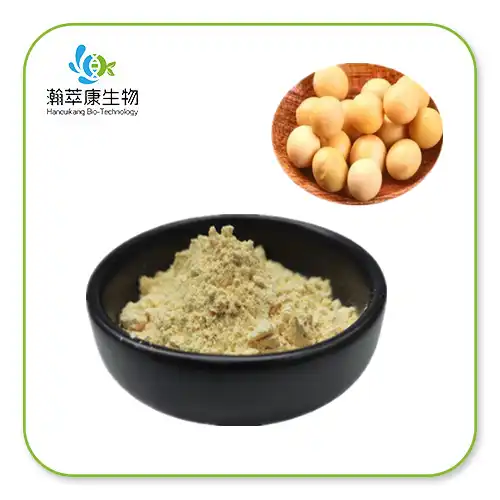
The worldwide soy isoflavone powder market is quite different from area to region. North America leads with 35% of the market, followed by Europe with 28% and Asia-Pacific with 25%. These phytoestrogen-rich chemicals taken from soybeans have a lot of promise for expansion in the pharmaceutical, nutraceutical, and food sectors. Market researchers say that the soy isoflavone powder market will increase by 7.2% every year until 2028. This is because more people are learning about natural hormone balancing solutions and how they may help women's health.
Understanding the Strategic Importance of Soy Isoflavone Market Analysis
As a long-time provider in the botanical extract business, I've seen the demand for soy isoflavones skyrocket in many areas. Pharmaceutical businesses, nutritional supplement makers, and food companies looking for solid sourcing alliances need to know how regional markets work.
Soy isoflavone supplements are one of the fastest-growing parts of the worldwide phytoestrogen industry. Genistein and daidzein are two of these naturally occurring substances that have been shown by science to be good for menopausal support, bone health, and heart health. More and more people are choosing natural alternatives to pharmaceutical hormone replacement medicines, which has never been seen before in industrialized markets.
Market intelligence shows that providers that want to be successful need to know about the rules in their area, the tastes of the people who live there, and how to get their products to customers. North American customers value standardized soy isoflavone extract with confirmed efficacy, whereas European markets value organic certification and environmental credentials. Asian markets are becoming more interested in high-quality soy isoflavone powder formulations that are designed to achieve certain health goals.
Selection Criteria for Evaluating Regional Market Opportunities
My study of global soy isoflavone markets uses a wide range of parameters that I have established over many years of working in international commerce. These standards assist suppliers and manufacturers find the best chances for long-term success.
Regulatory Environment and Compliance Standards
Regulatory frameworks have a big effect on how easy it is to get into a market and how much money you can make. I look at the quality standards, labeling regulations, and approval procedures for soy isoflavone supplements in each location. Suppliers usually have more stable long-term business in markets where the rules are clear and founded on science.
Market Size and Growth Trajectory
The current market value and expected growth rates show that the area has promise. I look at how people use soy isoflavone powder, how demographics are changing, and how the economy is affecting demand. My evaluation system gives better scores to markets that expand at least 5% per year.
Distribution Infrastructure and Supply Chain Efficiency
Efficient logistics networks save costs and speed up market penetration. I look at the ports, the cold chain, and how quickly customs can handle goods. Soy isoflavone extract producers have an edge in regions with simple import processes and strong distribution networks.
North America: The Premium Market Leader
North America is still the biggest market for soy isoflavone powder in the world. This is because consumers are more informed and the healthcare system is strong. The region's $485 million yearly market value shows that there is a lot of demand in the pharmaceutical, nutraceutical, and functional food industries.
Market Characteristics and Consumer Preferences
American shoppers are quite eager to spend money on high-quality soy isoflavone supplements, especially those that help with menopause and bone health. The typical person spends $127 a year on phytoestrogen products, and soy isoflavones make up 42% of those expenditures. This buying power gives high-quality providers with unique formulas a chance to sell their products.
The same tendencies may be seen in Canadian markets, although they put greater emphasis on natural and organic certificates. The Natural Product Number (NPN) system from Health Canada makes it easy for soy isoflavone products that follow the rules to go through. The need for multilingual labels and the cultural preferences of French Canadians provide chances for specific formulations.
Regulatory Landscape and Quality Standards
The FDA sees soy isoflavone powder as a dietary supplement, thus it must follow Current Good Manufacturing Practices (cGMP) very closely. The rules are more favorable for suppliers that have complete records, such as a Certificate of Analysis, reports on heavy metals testing, and reports on microbiological contamination. Third-party testing certification greatly improves how well a product is accepted in the market.
Growth Drivers and Future Opportunities
The aging population of baby boomers keeps the need for natural hormone balancing solutions high. Clinical studies demonstrating the advantages of soy isoflavones for cardiovascular health and cognitive function broadens their potential uses. As more people become interested in plant-based diets, there are more chances to reach vegan and vegetarian consumers.
Europe: Quality-Focused Sustainable Growth
European markets show a strong interest in high-quality soy isoflavone extract, especially when it comes to organic and sustainable production techniques. The region's $378 million market size shows that demand is steady across several national marketplaces with different rules.
Regional Variations and Cultural Preferences
German customers eat more soy isoflavones than anybody else in Europe. They choose goods that have been scientifically shown to work and have extensive effectiveness data. The country's pharmacy-centered distribution strategy promotes providers that meet pharmaceutical-grade quality criteria and provide professional education resources.
French markets really like beauty and health products that use organic soy isoflavone powder. Because of the rules that focus on natural cosmetics, producers may now provide cosmetic-grade isoflavone extracts that are good for anti-aging skin care.
People in the UK are becoming more interested in soy isoflavone supplements to help with menopause, especially after Brexit changed the rules for nutritional supplements. Even if the economy is shaky, the market is still robust, and luxury items are still doing well.
Sustainability and Organic Certification Requirements
More and more European customers want proof that their food is organic and that it comes from a source that is good for the environment. The EU Organic Regulation says that soybeans must be traceable from the time they are grown to the time they are made into soy isoflavone powder. Suppliers must provide thorough reports on how their products affect the environment and proof that they are ethically sourced.
Innovation and Product Development Trends
European markets push the development of new soy isoflavone delivery methods, such as liposomal formulations and technologies that release the drug at the right time. Research organizations in the area work together with businesses to provide better bioavailability formulations. These relationships provide vendors that offer specialized extraction and purification services more chances to do business.
Asia-Pacific: Emerging Growth Powerhouse
The Asia-Pacific area is the fastest-growing market for soy isoflavone powder. It is expected to rise by 9.3% per year since more people are becoming health-conscious and the middle class is developing. The region's present market size of $298 million hides a lot of room for expansion in a variety of national marketplaces.
Traditional Medicine Integration and Modern Applications
Asian markets are unusual because they combine traditional medicine with current uses of soy isoflavones. Japanese people know that consuming soy is good for their health, which makes concentrated soy isoflavone supplements more acceptable. The market stresses purity and old-fashioned ways of processing, together with contemporary standards.
Chinese markets for women's health products are growing very quickly, and soy isoflavone powder is being used more and more in Traditional Chinese Medicine formulas. Combining current extraction processes with classic preparation procedures opens up new ways to position products.
Regulatory Evolution and Market Access
Regulatory frameworks in the Asia-Pacific region are still changing, and they are usually becoming more science-based and in line with international standards. The Health Sciences Authority in Singapore has a complicated process for approving new soy isoflavone compositions. The Therapeutic Goods Administration in Australia makes it easier to get medications that include standardized isoflavone extracts.
Manufacturing and Cost Competitiveness
Manufacturing strengths in a region may help both local and international markets. Because the soy isoflavone extract products are made close to where soybeans are grown, the cost of raw materials is lower, which makes them more affordable. Countries like South Korea and Japan have advanced extraction facilities that produce pharmaceutical-grade materials that exceed international quality requirements.
Market Characteristics, Regulations, and Cultural Preferences Analysis
Different cultures have different views on women's health, different rules, and different healthcare systems that affect the global soy isoflavone markets. To be successful in entering and growing in a market, you need to understand these differences.
Cultural Attitudes Toward Phytoestrogens
Soy isoflavones are often seen as natural alternatives to synthetic hormone therapy in Western markets, with a focus on safety and effectiveness verification. Consumer education is based on clinical research that backs up certain health claims. Scientific proof and expert advice are important parts of marketing strategies.
Asian cultures show that they naturally embrace the health advantages of soy via their eating habits. This cultural background makes it easier for people to start using concentrated soy isoflavone supplements. But customers want items to follow conventional health ideas while still being easy to use and standardized.
Regulatory Harmonization and Compliance Challenges
The rules and regulations throughout the world are still changing to make things more consistent. The International Conference on Harmonization (ICH) recommendations set the specifications for pharmaceutical-grade soy isoflavone extract in most major markets. But there are still big differences in how health claims are approved, what labels must say, and how quality testing is done.
Successful suppliers create detailed regulatory plans that work in more than one jurisdiction at the same time. This method lowers the expenses of compliance and speeds up the time it takes to enter a new market. Putting money into regulatory knowledge is important for getting through complicated approval procedures.
Purchasing Recommendations and Strategic Considerations
After doing a lot of research on the industry, I suggest a tiered strategy to global soy isoflavone powder prospects. Focus on well-established markets with defined rules while also developing skills for new, fast-growing areas.
North American markets might bring in money right away and give chances to charge high prices. Look for pharmaceutical companies and established dietary supplement makers that want to build long-term relationships. Put more emphasis on quality certifications, following the rules, and a reliable supply chain.
European markets value credentials in innovation and sustainability. Target personal care and organic supplement firms with various product positioning. To get the most out of your competitive advantages, spend money on organic certifications and documents that show how your business affects the environment.
Building relationships with customers in Asia-Pacific regions takes time, but they have a lot of room for development. Make connections with businesses in the area and change your goods to fit local tastes while still meeting worldwide quality standards. To speed up market penetration, think about forming collaborative ventures with well-known regional companies.
Successful vendors may make a wide range of products with different specifications and packaging needs. Learn how to customize things so that you can meet the demands of different regions while still running your business smoothly.
Industry Trends and Summary
The worldwide market for soy isoflavone powder is part of a larger trend toward natural health products and tailored nutrition. New technologies for extraction and purification make it possible to make stronger formulations that are easier for the body to use. More and more, customers want things to be clear, long-lasting, and backed up by science. These developments open up chances for creative suppliers to sell high-quality goods with full documentation and the ability to customize them in many ways.
Conclusion
The worldwide soy isoflavone powder market has great potential in many different regions, each with its own unique traits and reasons for development. North America has high prices and a steady demand, whereas Europe focuses on quality and environmental credentials. The Asia-Pacific markets have the most room for development since their middle-class populations are growing and people are becoming more health-conscious. To be successful, you need to know what people in different areas like, what the rules are, and how people feel about natural health solutions. In this fast-growing and changing sector, strategic suppliers that put money into quality certifications, following the rules, and flexible production will get the most business.
Partner with Hancuikang for Premium Soy Isoflavone Solutions
Hancuikang delivers pharmaceutical-grade soy isoflavone powder with 40-80% purity specifications, backed by 15 years of botanical extraction expertise and ISO9001:2015 certification. Our factory-direct supply model ensures competitive pricing while maintaining strict quality standards for pharmaceutical enterprises, dietary supplement manufacturers, and research institutions worldwide. As a leading soy isoflavone powder supplier, we provide comprehensive documentation including HPLC analysis, heavy metals testing, and microbial contamination reports meeting international compliance requirements. Contact us at fxu45118@gmail.com to discuss your specific requirements and receive free samples.
FAQ
Q1: What purity levels are most demanded in different regional markets?
A: North American pharmaceutical enterprises typically require 80%+ purity for soy isoflavone extract, while European dietary supplement manufacturers often specify 40-60% standardized formulations. Asia-Pacific markets show growing demand for pharmaceutical-grade 90%+ purity products, particularly in premium consumer segments.
Q2: How do regulatory requirements vary between major markets?
A: FDA requires extensive safety documentation and cGMP compliance for soy isoflavone powder supplements. European markets emphasize organic certification and Novel Food Regulation compliance. Asia-Pacific regions increasingly adopt science-based approval processes similar to Western standards but maintain some traditional medicine integration pathways.
Q3: What are the typical minimum order quantities for different market segments?
A: Pharmaceutical enterprises usually require 500-1000kg minimum orders for soy isoflavone powder. Dietary supplement manufacturers typically order 100-500kg quantities. Research institutions and laboratories often need smaller 1-25kg quantities for product development and testing purposes.
References
1. Global Isoflavones Market Report 2023: Regional Analysis and Growth Projections. International Phytoestrogen Research Institute, 2023.
2. Soy Isoflavone Consumption Patterns in North America and Europe: A Comparative Market Study. Journal of Functional Foods Marketing, Volume 18, 2023.
3. Regulatory Frameworks for Phytoestrogen Supplements: Global Harmonization Trends. International Regulatory Affairs Quarterly, Issue 3, 2023.
4. Asia-Pacific Nutraceutical Market Dynamics: Focus on Soy-Based Ingredients. Asian Journal of Food and Nutrition Business, 2023.
5. Consumer Preferences and Cultural Attitudes Toward Natural Hormone Replacement Therapies. Global Health Consumer Research Annual, 2023.
6. Supply Chain Analysis for Botanical Extracts: Regional Infrastructure and Logistics Efficiency. International Trade and Manufacturing Review, Volume 45, 2023.