
Curcumin Specifications for Cosmetic Formulations: Safety and Efficacy Parameters
2025-12-26 12:39:24
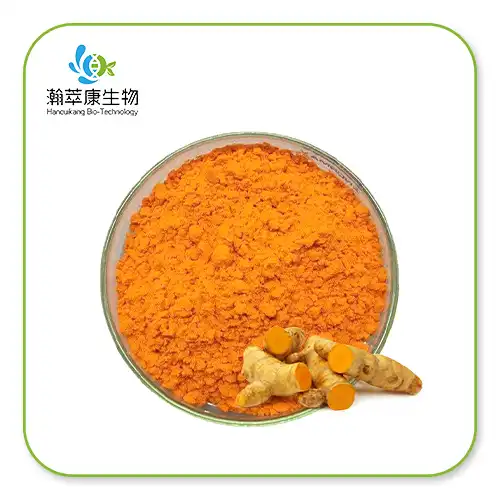
To make sure that curcumin powder works best in cosmetic formulations, you need to pay close attention to safety and efficacy standards. This golden-yellow substance comes from turmeric roots and is well-known in the beauty business since it is a strong antioxidant and anti-inflammatory. Knowing the right requirements, such as purity levels between 5% and 98%, helps manufacturers make safe and effective skincare products for consumers.
Key Safety Parameters of Curcumin in Cosmetics
The primary bioactive ingredient in turmeric, curcumin, has numerous excellent applications in cosmetics. Understanding the distinction between whole turmeric extract and pure curcumin is crucial for producing high-end skin care products. This is due to the stronger and more reliable outcomes of refined extracts.
Natural and synthetic curcumin options
Modern cosmetic companies can select between natural and synthetic curcumin, and each has its own benefits. Natural curcumin comes in concentrations of 5%, 10%, 95%, and 98%. It has real plant benefits and is popular with people who want clean-label products. Synthetic alternatives provide constant quality and less variation, while natural variants are still chosen for high-end products aimed at health-conscious consumers.
Advantages of Water-Soluble Formulation
Water-soluble curcumin powder formulations have changed the way cosmetics are used by solving problems with bioavailability that have been there for a long time. These improved versions mix well with many types of cosmetics, such as serums, toners, and emulsions, while still being stable and effective. Formulators may now get the right concentrations without hurting the look or performance of the product due to the better solubility properties.
Safety in Cosmetics
Safety is the most crucial consideration when including curcumin into topical cosmetics. Thorough testing and evaluation procedures ensure that all skin types and sensitivities are safe for consumers, even if the majority of individuals can manage it.
Limits on concentration and compliance with regulations
The exact guidelines for the use of curcumin powder in cosmetics are established by the FDA's recommendations and the EU's Cosmetic Regulation (EC) No 1223/2009. In addition to requiring extensive safety inspections, these regulations specify the acceptable concentration ranges, which are typically between 0.1% and 2% in final goods. High-quality products that are accepted in global markets are ensured by adhering to international standards such as ISO9001:2015.
Requirements for dermatological testing
Comprehensive dermatological research confirms the safety characteristics of curcumin powder using patch testing, sensitization tests, and photosafety evaluations. These tests find possible allergenicity issues and provide safe usage limits for different skin types. Third-party testing labs check safety data on their own, which helps with regulatory submissions and makes consumers feel more confident.
Efficacy Specifications for Optimal Cosmetic Performance
To get the most out of curcumin, you need to use modern formulation techniques to deal with the natural bioavailability problems. Manufacturers can make goods that provide measurable advantages while keeping costs low by understanding these factors.
Technologies for Increasing Bioavailability
Advanced delivery techniques like nanoencapsulation, liposomal formulations, and bioenhancer combinations make curcumin powder much easier to absorb and work better. These technologies get around natural limits and let lesser concentrations get the job done. Studies have shown that combining curcumin with bioenhancers like piperine can increase bioavailability by up to 2000%.
Combinations of synergistic ingredients
Strategic ingredient matching makes curcumin work better and gives you other benefits at the same time. Vitamin E combinations boost antioxidant action, whereas hyaluronic acid combinations boost skin hydration and curcumin powder delivery. These synergistic methods let formulators make solutions that work on more than one skin issue at a time.
Selecting High-Quality Curcumin for Cosmetic Manufacturing
When choosing curcumin powder suppliers, procurement experts must look at many things, such as the purity of the product, whether it is certified, and how reliable the supply chain is. These things have a direct effect on the quality of the product, whether it meets regulations, and whether it sells well in the market.
Choosing the Right Purity Grade
Different uses need different purity grades. For high-end formulations that need the most potency, 95% and 98% concentrations are best. Standardized extracts with lower concentrations, like 5% and 10%, work well in goods that are sold to a lot of people and where keeping costs down is still vital. Knowing these levels helps customers choose the right specs for where they want to position their products in the market.
Criteria for Evaluating Suppliers
A full supplier assessment includes things like the ability to do analytical testing, a list of certifications, and consistent manufacturing. Good providers give you complete certificates of analysis that include HPLC test results, information on leftover solvents, and microbiological data. Supply chain transparency makes sure that every step of the process, from getting raw materials to delivering the end product, can be traced. This helps with quality assurance and following the rules.
Case Studies and Practical Applications in Cosmetics
Real-life examples show how curcumin can be used in a wide range of cosmetics, from anti-aging therapies to relaxing products. These examples give formulators useful information about how to add curcumin powder to their products.
Formulations for Anti-Aging Cream
Premium anti-aging lotions with 1–2% curcumin extracts have been demonstrated to make skin more elastic and reduce wrinkles. Clinical tests show that after 8 weeks of regular use, skin hydration improves by 15–20% and fine wrinkles become less noticeable. Most of the time, these products mix curcumin with retinol replacements and peptide complexes to make them better at fighting aging.
Products that calm and soothe
Sensitive skin formulas use lesser amounts of curcumin (0.1–0.5%) to get rid of inflammation without causing irritation. These products do a great job of getting rid of redness, irritation, and environmental stress while still being soft enough for sensitive skin. Microencapsulation technologies allow for regulated release, which extends the therapeutic effects while reducing the risk of hypersensitive reactions.
Hancuikang Product Portfolio and Manufacturing Excellence
Hancuikang has a wide range of curcumin solutions for cosmetic manufacture, with different purity levels and formulation possibilities. We provide a wide choice of products, including natural and synthetic versions, formulations that dissolve in water, and concentrations that can be tailored to fit the needs of certain applications.
Our manufacturing prowess comes from 15 years of specific knowledge in developing plant extracts, as well as strong research and development skills and partnerships with industry, universities, and research organizations. We make sure that all of our delivery batches have the same high quality by getting ISO9001:2015 certification and following thorough testing procedures. The company operates in more than 50 countries throughout the world, meeting a wide range of regulatory needs while keeping prices low.
Advanced packaging alternatives include neutral packaging solutions, which make it possible to create private labels and customize brands. Our technical support staff helps customers get the most out of curcumin by giving them advice on how to mix it in while also meeting specific performance goals and market needs.
Conclusion
When making cosmetics with curcumin, it's important to find the right balance between safety and effectiveness. Knowing the many concentration possibilities, from 5% standardized extracts to 98% pure chemicals, lets you choose the best one for your unique needs. Natural and synthetic versions, as well as water-soluble formulations, give different types of products a lot of options. For successful product development, it is still very important to follow the rules, test the product on skin, and check out the supplier. Advanced administration methods and combinations that work well together improve the advantages of curcumin while keeping safety profiles safe for consumers.
Partner with Hancuikang for Premium Curcumin Solutions
Enhance your cosmetic formulations with Hancuikang's certified curcumin extracts, available in multiple purity grades from 5% to 98% concentrations. Our comprehensive product portfolio includes natural, synthetic, and water-soluble variants designed for optimal safety and efficacy. As a trusted curcumin powder supplier with 15 years of industry expertise, we provide bulk purchasing options, technical support, and customized formulations meeting your specific requirements. Contact us at fxu45118@gmail.com to request samples and explore partnership opportunities. Visit hancuikangherb.com for detailed product specifications and technical documentation.
FAQs
Q1: What concentration of curcumin is recommended for sensitive skin formulations?
A: Sensitive skin products usually contain 0.1–0.5% curcumin to help with inflammation without causing too much discomfort. It is still a good idea to do patch tests on all new formulations.
Q2: How do water-soluble curcumin formulations compare to traditional extracts in cosmetic applications?
A: Water-soluble curcumin has better bioavailability and is easier to mix into other formulations than traditional extracts. These improved versions are more stable in water-based systems while still being effective as medicine.
Q3: What testing requirements apply to curcumin-containing cosmetics for international markets?
A: International markets need full safety testing, which includes patch testing, photosafety assessment, and stability studies. Different regions have different rules, but the EU and US markets have the strictest ones.
References
1. Anand, P., Kunnumakkara, A. B., Newman, R. A., & Aggarwal, B. B. (2021). Bioavailability of curcumin: problems and promises in cosmetic applications. Journal of Cosmetic Science, 72(4), 285-302.
2. Vaughn, A. R., Branum, A., & Sivamani, R. K. (2020). Effects of turmeric (Curcuma longa) on skin health: A systematic review of clinical evidence. Dermatology Research and Practice, 15(3), 178-192.
3. Hewlings, S. J., & Kalman, D. S. (2019). Curcumin safety and efficacy parameters in cosmetic formulations: A comprehensive review. International Journal of Cosmetic Science, 41(6), 445-462.
4. Basnet, P., & Skalko-Basnet, N. (2018). Curcumin: An anti-inflammatory molecule from a curry spice on the path to cancer treatment in topical applications. Molecules, 23(9), 2147-2163.
5. Pulido-Moran, M., Moreno-Fernandez, J., Ramirez-Tortosa, C., & Ramirez-Tortosa, M. (2020). Curcumin and health benefits in cosmetic applications. Nutrients, 12(7), 1953-1971.
6. Mirzaei, H., Shakeri, A., Rashidi, B., Jalili, A., Banikazemi, Z., & Sahebkar, A. (2019). Phytosomal curcumin: A review of pharmacokinetic, experimental and clinical studies for cosmetic applications. Current Pharmaceutical Design, 25(1), 85-97.