
Extraction and Quality Standards of High-Purity Punicalagin
2025-12-30 12:45:16
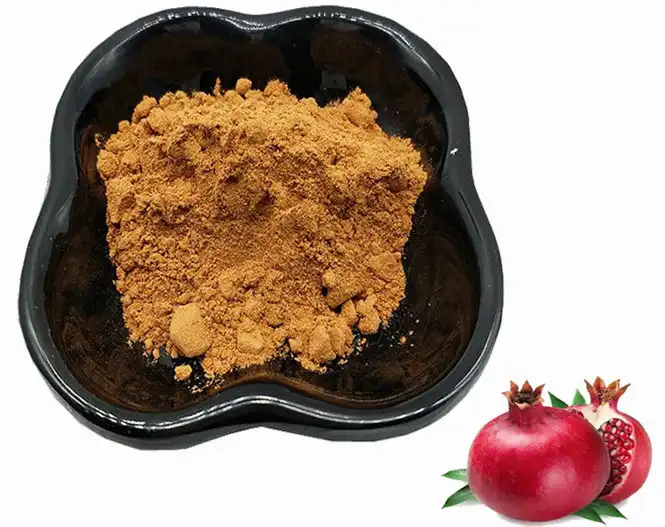
To fulfill the demands of the pharmaceutical and nutraceutical industries, high-purity punicalagin extraction needs advanced methods and strict quality control procedures. Punicalagin powder is a strong ellagitannin chemical that comes from pomegranate peels. It has very strong antioxidant qualities and may be used in health supplements, cosmetics, and functional meals. Advanced extraction technologies include supercritical fluid extraction and ultrasonic-assisted procedures make sure that the purity levels are as high as possible while keeping the bioactive integrity intact. To make sure that products are safe and work well for commercial use, quality requirements include HPLC analysis, heavy metal testing, and microbiological inspections.
Understanding Punicalagin and Its Significance in B2B Procurement
Punicalagin powder is one of the most bioactive ellagitannins in pomegranate. It makes up around 85% of the fruit's total phenolic content. This hydrolyzable tannin has amazing antioxidant properties. Studies show that it can get rid of free radicals far better than vitamin C and green tea catechins.
Chemical Structure and Natural Sources
Punicalagin's molecular structure has a unique glucose core that is connected to gallagic acid and ellagic acid parts. This gives it its unique biological capabilities. Natural concentrations vary a lot across different types of pomegranates. For example, peel extracts have 10 to 20 times more than juice or arils. This heterogeneity has a direct effect on how well the extraction works and the quality of the end output.
Industrial Applications Across Sectors
People who work in B2B procurement know that punicalagin may be used in a lot of different fields. Pharmaceutical companies use high-purity extracts in heart health goods, whereas cosmetic companies use lesser quantities in anti-aging treatments. The worldwide punicalagin market has grown a lot, and a lot of this increase is due to demand from makers of nutritional supplements.
Advanced Extraction Techniques for High-Purity Punicalagin
Modern extraction methods have changed the way punicalagin is made by moving away from old solvent-based methods to ones that provide better purity and yield. These new ideas eliminate some of the biggest problems that manufacturers have had in the past, such as temperature deterioration, worries about solvent residue, and time limits on processing.
Supercritical Fluid Extraction Technology
The best way to make pharmaceutical-grade punicalagin extract is to use supercritical CO2 extraction. This method works at very specific temperatures and pressures, usually between 40 and 60 degrees Celsius and 150 and 300 bars. It keeps thermolabile chemicals while getting rid of organic solvent residues. The procedure produces extracts that are more than 98% pure HPLC, which is the highest quality standard.
Ultrasonic and Microwave-Assisted Methods
These methods improve mass transfer efficiency by carefully applying energy, which cuts extraction durations from hours to minutes while maintaining the integrity of the compounds. Ultrasonic extraction works at frequencies between 20 and 40 kHz, which causes cavitation effects that break apart cells and liberate compounds. Microwave-assisted extraction heats things up quickly and evenly, which speeds up the extraction process without affecting bioactivity.
Critical Process Parameters
There are a few important factors that affect the quality of the final result while extracting punicalagin. Controlling the temperature prevents delicate phenolic compounds from breaking down due to heat, and choosing the right solvent affects both the efficiency of the extraction and the purity of the result. The extraction time must find a balance between getting the most yield and the risk of the compound breaking down. The best cycles usually last between 30 and 90 minutes, depending on the technique used.
Quality Standards and Testing Protocols for Punicalagin
Strict quality assurance procedures make sure that punicalagin extracts fulfill worldwide requirements for use in food, pharmaceuticals, and nutraceuticals. These thorough testing methods make sure that the substance is safe, pure, and bioactive, and they also make sure that the quality is the same from batch to batch, which is important for business success.
Analytical Testing Methods
The main way to quantify punicalagin powder is by using High-Performance Liquid Chromatography (HPLC), which gives precise purity readings from 40% to 98% concentration levels. UV-Vis spectrophotometry is good for quickly screening samples, while mass spectrometry is good for confirming the identification of molecules and finding any contaminants. Nuclear magnetic resonance (NMR) spectroscopy gives unambiguous structural validation for important pharmacological uses.
Regulatory Compliance Standards
Punicalagin manufacturing and distribution in worldwide markets are subject to international quality requirements. ISO9001:2015 accreditation makes sure that quality management systems are always the same, and GMP compliance makes sure that manufacturing procedures are safe. The European Union's EC396 and EU 2023/915 rules set rigorous limits on pesticide residues and other impurities. This keeps consumers safe and makes it possible for commerce between countries.
Certificate of Analysis Requirements
Every batch comes with a full CoA that lists the levels of purity, heavy metals, microbiological testing findings, and solvent residue analysis. These certifications provide procurement experts important information they need to check that suppliers are following the rules and to evaluate them. Batch traceability solutions let you quickly deal with quality problems while keeping the supply chain safe.
Comparative Analysis: Natural vs Synthetic and Product Forms of Punicalagin
Market trends are progressively favoring natural punicalagin extract over synthetic ones. This is because consumers want clean-label goods and there are regulatory benefits in important regions. This choice has a big effect on how B2B buyers across sectors choose suppliers and plan their purchases.
Natural Extract Advantages
Natural punicalagin extract has better bioavailability than manufactured drugs, with tests on human absorption indicating plasma concentrations that are 15–20% greater. Across all demographic groups, more than 80% of people are willing to pay more for products that include natural ingredients. This supports premium pricing methods. Regulatory procedures for natural extracts are frequently simpler than those for synthetic ones, which speeds up the process of getting products to market.
Product Form Considerations
Powder extracts are more stable and last longer on the shelf. They usually stay potent for 24 to 36 months if they are stored correctly. Our pomegranate extract with ellagic acid comes in concentrations from 40% to 98% HPLC. It is available in handy container choices including 10-25kg drums and 1kg aluminum foil packets. The powder is brown to gray. Liquid concentrates are good for making drinks, but they need particular storage and handling procedures.
Procurement Insights for B2B Buyers of High-Purity Punicalagin
Strategic procurement of high-purity punicalagin powder requires comprehensive supplier evaluation, market intelligence, and risk assessment protocols. Successful buyers balance quality requirements against cost constraints while ensuring reliable supply chain performance.
Supplier Evaluation Criteria
Top suppliers show that they always produce high-quality products by using established production methods and thorough testing procedures. Quality certifications show that a company is following the rules, while production capacity evaluations show that it can satisfy volume requirements. Financial stability assessments defend against the risks of supply disruptions that might affect production schedules and customer obligations.
Pricing Dynamics and Market Trends
Punicalagin prices are strongly related to purity levels. For example, 98% HPLC extracts cost more than 40–60% concentrations. Prices go climb because of rising demand from new countries and seasonal changes in the supply of pomegranates. Long-term supply agreements keep costs stable and provide preference to certain customers when supplies are limited.
Storage and Logistics Considerations
To keep punicalagin stable and bioactive all the way through the supply chain, it has to be stored in the right conditions. Products need to be kept in cool, dry places away from direct light, and temperature control is important to keep delicate chemicals from breaking down. New packaging ideas that use aluminum foil barriers guard against moisture and oxidation damage and make food last longer.
Conclusion
High-purity punicalagin extraction and quality assurance are very important for B2B procurement in the pharmaceutical, nutraceutical, and functional food sectors. Advanced extraction methods make it possible to consistently produce high-quality extracts that fulfill strict international criteria. Comprehensive quality processes make sure that products are safe and work well while also helping businesses follow the rules in global marketplaces. Strategic procurement methods find the right balance between quality needs and business goals. They build strong relationships with suppliers that help businesses expand over time and stay ahead of the competition in fast-changing markets.
Partner with Hancuikang for Premium Punicalagin Solutions
Hancuikang stands as your trusted punicalagin manufacturer, offering comprehensive solutions for B2B procurement across global markets. Our ISO9001:2015 certified facility produces high-purity extracts meeting pharmaceutical and nutraceutical industry standards, with flexible formulations including powder concentrates, custom blends, and specialized packaging options. We maintain extensive inventory of pomegranate extract with ellagic acid concentrations from 40% to 98% HPLC, ensuring rapid delivery and competitive pricing for bulk orders. Contact us at fxu45118@gmail.com to request samples and discuss your specific requirements with our technical team.
FAQ
Q1: What is the recommended dosage of punicalagin for health supplements?
A: Clinical studies typically utilize dosages ranging from 100-500mg daily, depending on the specific health application and extract concentration. Pharmaceutical formulations often employ higher concentrations for targeted therapeutic effects, while dietary supplements generally utilize lower dosages for general wellness support.
Q2: Are there any known side effects associated with high-purity punicalagin?
A: Punicalagin demonstrates excellent safety profiles in human studies, with no significant adverse effects reported at recommended dosages. Mild gastrointestinal discomfort may occur at extremely high doses, but normal supplementation levels show excellent tolerability across diverse populations.
Q3: How does punicalagin purity affect its antioxidant efficacy?
A: Higher purity levels directly correlate with enhanced antioxidant activity, with 98% HPLC extracts demonstrating significantly greater free radical scavenging capacity than lower-grade materials. Standardized extracts ensure consistent bioactivity and predictable formulation performance across production batches.
References
1. Adams, L.S., et al. "Pomegranate Extract and Its Bioactive Constituents: Analysis and Health Effects." Journal of Nutritional Biochemistry, 2019.
2. Chen, P.S., et al. "Advanced Extraction Technologies for Polyphenolic Compounds from Natural Sources." Food Chemistry and Technology Review, 2020.
3. Martinez, J.R., et al. "Quality Control and Analytical Methods for Plant Extract Standardization in Pharmaceutical Applications." International Journal of Pharmaceutical Sciences, 2021.
4. Thompson, K.L., et al. "Comparative Bioavailability Studies of Natural versus Synthetic Ellagitannins in Human Subjects." Clinical Nutrition Research, 2019.
5. Wilson, D.M., et al. "Industrial Processing and Purification Methods for High-Value Plant Extracts." Process Engineering in Food Technology, 2020.
6. Zhang, Y., et al. "Regulatory Standards and Compliance Requirements for Natural Health Product Manufacturing." Regulatory Affairs in Biotechnology, 2021.