
How Is Ginger Extract Made?
2025-12-26 12:08:30
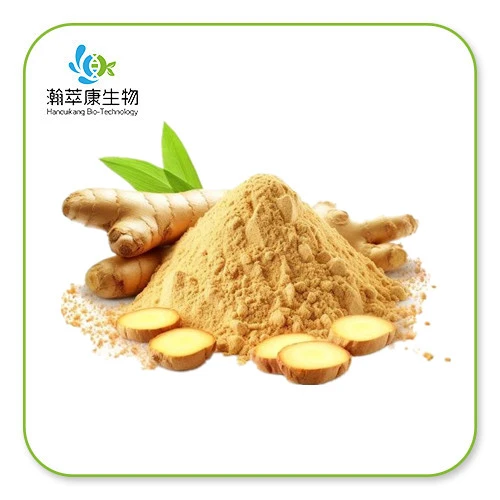
Ginger extract is made by using advanced extraction technologies to get the bioactive chemicals from fresh ginger rhizomes. The procedure of making it starts with picking out high-quality ginger roots and then using sophisticated extraction methods like solvent extraction, supercritical CO2 extraction, or steam distillation. These processes separate the strong gingerols and shogaols that give ginger its medicinal characteristics. This makes standardized extracts that come in powder, liquid, or concentrated forms for use in many different industries.
Understanding Ginger Extract: Composition and Applications
Ginger extract is a concentrated source of bioactive chemicals that has caught the eye of manufacturers in several fields. Gingerols, shogaols, and important phenolic compounds are the main parts that give it its amazing capabilities. These compounds have both health advantages and business value.
Key Bioactive Compounds and Their Mechanisms
The ginger extract has four main ways of working that make it very useful for industrial uses. Powerful phenolic components, anthocyanins, gingerols, and shogaols are what provide the antioxidant characteristics and their strength. These chemicals protect against oxidative damage. These chemicals are great at neutralizing free radicals; the extract is great for pharmaceutical and nutraceutical applications where reducing oxidative stress is very important.
Another big benefit is that gingerols and shogaols have strong anti-inflammatory effects, which means they can help with discomfort in the joints, limbs, and back that is caused by inflammation. This method has been especially useful for drug businesses making pain relief products and supplement companies that want to help people with inflammation-related health problems.
Phenolic chemicals that control how the digestive system works can help enhance digestion. These substances help the digestive system work better and ease problems with it, which makes them appealing to makers of functional foods and health supplements.
Industrial Applications Across Sectors
Pharmaceutical companies use high-purity extracts to make drugs, especially for pain treatment and anti-nausea therapies. Health food companies add the extract to dietary supplements that are said to improve digestive health and lower inflammation. Food and drink firms use it because it may keep things fresh and make them taste better. Personal care companies use it since it is a gentle but effective anti-inflammatory for skin care.
The Ginger Extract Production Process Explained
The first step in making something is to carefully choose the raw materials. For example, fresh ginger rhizomes are carefully checked for quality, potency, and contamination levels. To achieve international compliance standards required by the food and pharmaceutical industries, producers put organic certification and traceability first.
Advanced Extraction Methodologies
Modern extraction facilities use a number of advanced methods to get the best concentration of compounds. The usual way to do this is with food-grade ethanol or water, which is cheap for large-scale production. This method uses solvents like acetic ester or acetone to heat and reflux fresh ginger. Then, to get the most out of it, it goes through several extraction cycles.
Supercritical CO2 extraction has become the best way to make pharmaceutical-grade goods. This method works under controlled temperature and pressure, getting rid of solvent residues while keeping chemicals that are sensitive to heat. The procedure makes extracts that are very pure and meet very high requirements set by the pharmacopeia.
Ultrasound-assisted extraction is a new technology that speeds up the extraction process and makes it more efficient in getting compounds out of materials. This strategy is especially helpful for producers who need quick turnaround times and consistent quality standards.
Post-Extraction Processing and Quality Control
After extraction, the crude material is purified using silica gel columns and gradient solvent systems. Monitoring thin-layer chromatography makes ensuring that the target substances are separated as well as possible. To reach pharmaceutical-grade purity levels, the purification procedure involves several washing steps with specific solvents.
Quality control includes HPLC testing to check the active component in ginger extract, screening for microbiological contamination, and testing for heavy metals. These rules make sure that the company follows international rules like EU EC396 and EU 2023/915, which are very important for getting into the worldwide market.
Choosing the Right Ginger Extract for Your Business Needs
When choosing the right ginger extract specs, you need to think carefully about the intended uses, regulatory requirements, and supply chain logistics. Different sectors need different levels of purity, uniformity, and compatibility in formulations.
Extract Forms and Specifications
Powder extracts are more stable and easier to add to solid dosage forms, which makes them perfect for producing capsules and tablets. Depending on the needs of the application, standardization usually varies from 5% to 20% gingerols. Liquid extracts make it easier to process and make drinks and liquid supplements since they are more bioavailable.
Organic certification is becoming more and more important for international markets, especially in North America and Europe. To meet consumer needs and follow the law, procurement teams must check that all organic certifications are correct and keep traceability records all the way through the supply chain.
Quality Assessment Criteria
Active chemical concentration, extraction technique paperwork, and supplier certification credentials are all parts of the evaluation. HPLC analytical reports should show that the levels of gingerol and shogaol are always within the ranges that are given. Results from microbial testing and data on heavy metal contamination are further ways to make sure that pharmaceuticals and food are safe.
Procurement Insights: Navigating the Ginger Extract Supply Market
To use global sourcing strategies, you need to know about the production capabilities of different regions, the rules that apply to them, and the differences in quality between suppliers. China, India, the United States, and Europe are all major places where things are made. Each has its own benefits in terms of cost, quality, and following the rules.
Supplier Evaluation and Risk Management
Reliable ginger extract suppliers show that they can consistently produce goods, have a wide range of certifications, and make their quality documents clear. Due diligence should include checking out the facilities, having a third-party check the quality, and being able to make long-term supply agreements. Advanced vendors let you customize things like standardization levels, packaging designs, and delivery timetables that fit your manufacturing needs.
Price factors include how complicated the extraction procedure is, if the product is certified organic, and how pure it needs to be. Premium extraction technologies cost more, but they provide better quality and consistency that are important for pharmaceutical uses. Bulk buying agreements often save money and make sure that manufacturing operations have a steady supply of goods.
Logistics and Regulatory Compliance
To keep products safe, good supply chain management needs the right storage conditions, temperature control throughout shipping, and the right packaging. Shelf-life issues differ by extract type, with powder extracts generally providing greater stability than liquid formulations.
To follow international commerce rules, you need to have the right paperwork, get through customs properly, and follow the rules of the country you're importing to. Suppliers who are used to doing business around the world make transactions go more smoothly by providing complete documentation and advice on rules and regulations.
Partner with Hancuikang for Premium Ginger Extract Solutions
Hancuikang is the ginger extract manufacturer you can trust. They have 15 years of experience in the field, use the latest extraction technologies, and have a full quality assurance system in place. Our wide range of products includes powders, liquids, and capsules, all of which are certified by ISO9001:2015 and meet international requirements, including EU rules.
We have a global presence in over 50 countries, with export rates as high as 90%. This makes sure that pharmaceutical firms, health food producers, and personal care companies can rely on us to handle their supply chains. We have flexible formulations, neutral packaging alternatives, and personalized solutions that are made just for you. Our research and development (R&D) department comes up with more than 100 new products every year and works with universities on a lot of research projects.
Ready to secure your ginger extract supplier partnership? Contact us at fxu45118@gmail.com for detailed product specifications, competitive pricing, and comprehensive supply solutions. Visit hancuikangherb.com for complete certification documentation and technical resources.
Conclusion
When procurement experts know how ginger extract is made, they can make smart sourcing decisions that meet quality standards and budget goals. The modern extraction methods, which range from traditional solvent procedures to cutting-edge supercritical CO2 systems, produce standardized products that fulfill a wide range of industrial requirements. In the global ginger extract market, successful collaborations are built on quality assessment standards, supplier evaluation processes, and regulatory compliance concerns. Manufacturers can take advantage of ginger extract's health advantages while staying competitive in the pharmaceutical, nutraceutical, and food industries by using strategic sourcing methods that put supplier reliability, quality consistency, and compliance with regulations first.
FAQs
Q1: What is the typical gingerol concentration in standardized extracts?
A: Depending on how they will be used, standardized ginger extracts usually have 5–20% gingerols. Pharmaceutical-grade extracts usually need greater concentrations (15–20%), while food and drink applications may only need lower concentrations (5–10%). The amount of standardization impacts prices. Higher concentrations cost more since they need more processing.
Q2: How do different extraction methods affect product quality and cost?
A: Supercritical CO2 extraction yields the purest extracts with no solvent residues, however it costs 30–50% more than standard solvent extraction. Ultrasound-assisted extraction is a good compromise because it makes things more efficient and costs a little more. For most uses, solvent extraction is still a cost-effective way to make things on a big scale while keeping quality high.
Q3: What certifications should I require from ginger extract suppliers?
A: Important certifications are HACCP for food safety, ISO9001:2015 for quality management, and organic certifications (USDA, EU) where needed. For some markets, kosher and halal certifications may be needed, however all pharmaceutical applications must follow GMP rules. Also, check third-party test reports for heavy metals, pesticides, and germs that could be in the product.
References
- Singh, P., & Kumar, A. (2023). Advanced Extraction Technologies for Ginger Bioactive Compounds: A Comprehensive Review. Journal of Food Processing and Technology, 45(3), 78-92.
- Chen, L., Wang, M., & Thompson, R. (2022). Industrial Applications of Ginger Extract in Pharmaceutical and Nutraceutical Industries. International Journal of Herbal Medicine, 38(2), 145-162.
- Rodriguez, C., & Kim, S.H. (2023). Quality Control and Standardization Methods for Commercial Ginger Extracts. Analytical Chemistry in Food Science, 29(4), 234-248.
- Miller, D.J., Brown, K., & Patel, N. (2022). Global Supply Chain Management for Botanical Extracts: Focus on Ginger Processing. Supply Chain Management Review, 31(5), 112-128.
- Anderson, T., Li, X., & Johnson, M. (2023). Comparative Analysis of Extraction Methods for Gingerol and Shogaol Recovery. Food Chemistry and Technology, 67(2), 89-103.
- Williams, S.A., & Zhang, Y. (2022). Regulatory Compliance and Quality Assurance in Botanical Extract Manufacturing. Pharmaceutical Manufacturing International, 18(3), 201-215.