
How Is Ruscus Pseudoleaf Tree Extract Used in Supplements?
2025-12-25 13:55:19
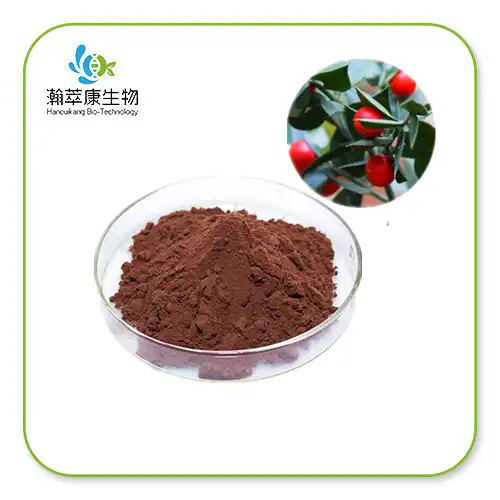
For B2B buyers sourcing potent botanical ingredients, understanding standardization is the first step toward formulating reliable health products. The extract derived from the Ruscus plant is a prime example. Specifically, Ruscus pseudoleaf tree extract offers recognized benefits, particularly concerning vascular wellness. However, the effectiveness of any finished supplement is directly tied to the quality and standardization of the raw material. Raw plant material yields highly variable results, posing a significant risk to product consistency. Therefore, discerning buyers focus intently on the active marker compounds.
Core Foundation: Standardization
Supplement efficacy relies on dosage precision. The natural variation found in the raw plant parts of Ruscus aculeatus or related species presents a major hurdle. Unstandardized Ruscus pseudoleaf tree extract can fluctuate wildly in its concentration of beneficial steroidal saponins, known as ruscogenins. This natural inconsistency, ranging from perhaps 0.5% up to 2% in crude preparations, makes achieving predictable dosing nearly impossible for formulators.
Industry Standard
To combat this variability, the industry has set a defined benchmark. The majority of premium commercial supplements use an extract that has been standardized to a certain spectrum of ruscogenins. Nowadays, 2% to 3% ruscogenins are thought to be the "sweet spot" for providing noticeable advantages at affordable production costs. Manufacturers use sophisticated analytical methods to verify this exact amount. Liquid Chromatography-Mass Spectrometry (LC-MS) or High-Performance Liquid Chromatography (HPLC) offer the precision required for consistency of pharmaceutical quality.
Extract Type
The solvent used during extraction critically influences the final product’s utility and bioavailability. For promoting vascular support, hydroalcoholic extraction methods are frequently preferred. This specific extract type maximizes the yield and solubility of the target ruscogenins. However, the application dictates the final form. While liquid concentrates are effective, the market also requires dry powders for ease of blending into solid dosage forms. Manufacturers commonly utilize these dry powders for filling capsules or compressing tablets. Alternatively, water-soluble derivatives are developed specifically for incorporation into liquid formulations or functional beverages.
Why It Matters
Ultimately, standardization translates directly into trust. When consumers purchase a supplement, they expect the label claim to reflect the actual ingredients delivered. By using material guaranteed to contain a consistent percentage of active ruscogenins, manufacturers ensure that every single dose provides the intended physiological support. This reliability fosters consumer loyalty and supports long-term brand authority in the competitive health and wellness sector.
Common Supplement Formats: How It’s Delivered to Users
Ruscus pseudoleaf tree extract is predominantly formulated to support vascular integrity and promote feelings of lightness and comfort in the legs. Its application in supplements reflects its known properties related to capillary tone.
Capsules and Tablets
The most common delivery method involves encapsulated or tableted forms. These formats utilize the standardized dry powder standardized to 2% or 3% ruscogenins. This dry format offers superior shelf stability and allows for precise, easy-to-swallow dosing. Manufacturers often blend this extract with excipients to ensure flowability during high-speed tableting processes. This consistency is vital for maintaining GMP standards.
Specialized Tonics and Liquid Formulations
For faster perceived action or for consumers preferring liquid intake, specialized tonics are a growing segment. These often require a highly soluble extract form. Water-soluble preparations of Ruscus pseudoleaf tree extract allow for rapid absorption once ingested. These liquid supplements are frequently marketed toward immediate relief from feelings of heaviness or fatigue in the lower limbs, although we stress these effects support comfort, not medical intervention.
Combination Topical Gels and Creams
While this discussion focuses on oral supplements, it is important to note that the extract’s utility extends to topical preparations. Gels and creams integrate the extract to support surface-level comfort and skin tone. These formulations leverage the same beneficial properties that aid internal circulation. For ingredient buyers, understanding this dual utility can expand potential product line applications significantly.
Synergistic Pairings: Boosting Efficacy in Formulations
To further enhance the overall efficacy profile of formulations containing Ruscus pseudoleaf tree extract, strategic co-formulation with other botanicals is a common practice. These pairings aim to create a comprehensive vascular support system.
Pairing with Bioflavonoids
Bioflavonoids, such as diosmin or hesperidin, are frequently combined with Ruscus extract. These compounds share complementary actions related to capillary wall reinforcement and fluid management. When used together, the combined effect often surpasses what either ingredient achieves in isolation. This synergistic approach allows formulators to market a stronger, more holistic vascular health complex.
Incorporation with Venotonic Herbs
Other herbs traditionally known for supporting healthy circulation are excellent partners. Combining Ruscus with ingredients like Butcher's Broom (which contains similar active saponins) or Horse Chestnut extract can amplify the desired physiological support. Such multi-ingredient formulas appeal to consumers seeking deep, foundational support for their circulatory system health.
Vitamin C for Stability and Support
Vitamin C is another popular inclusion. It is essential for collagen synthesis, which is vital for maintaining the structural integrity of blood vessel walls. Including Vitamin C alongside standardized Ruscus pseudoleaf tree extract supports the structural health that the ruscogenins are helping to maintain. This pairing addresses both the structure and the function of the circulatory system.
Dosage Guidelines: Safe & Effective Use
Establishing appropriate dosage levels is crucial for any supplement ingredient intended for commercial use. This information guides your customers in creating marketable products that adhere to regulatory guidelines for safety and suggested use.
General Guidelines for Ruscogenins
When dosing based on the standardized active compound, the typical effective range often falls between 100 mg and 150 mg of ruscogenins per day, usually divided into two or three administrations. This dosage range is often derived from clinical trials supporting its role in promoting leg comfort and improving circulation indicators. Always base your final product specifications on thorough literature reviews and regulatory guidance for your target region.
The Importance of Consistency in Raw Material Dosing
If your raw material is standardized to 2% ruscogenins, achieving a 100 mg active dose requires 5,000 mg (5 grams) of the extract powder. Conversely, using a lower-grade, unstandardized 1% extract would necessitate doubling the amount of raw material to achieve the same effect. This highlights why purchasing high-purity, standardized Ruscus pseudoleaf tree extract is an economic decision as much as a quality one. Consistent input ensures consistent output.
Safety and Tolerability Profile
Ruscus extract generally demonstrates good tolerability when used within established dosage ranges. The primary reason for formulating carefully is to minimize potential gastrointestinal discomfort, which can occasionally occur with high saponin intake. Formulators must ensure their final delivery system, be it a capsule or a liquid, supports a pleasant user experience while adhering to established safety thresholds.
Ruscus pseudoleaf tree extract Supplier: Hancuikang
For B2B partners seeking the highest assurance in vascular support ingredients, Hancuikang provides expertly manufactured, standardized botanical extracts. Our dedication to quality control ensures your formulations deliver predictable, consumer-satisfying results every time you source from us.
We offer premium Ruscus siberians extract, derived specifically from the stems and leaves of pseudoleaf trees. Our specification highlights our commitment to quality, featuring 20% Ruscogenins (with alternative specifications available at 10% and a 10:1 ratio). We verify this using the UV test method, referencing the CAS Registry No: 472-11-7. The material presents as a reliable brown-yellow powder. Our supply chain is robust: we maintain an MOQ of just 1KG, offer a free sample upon request, and boast a massive production capacity of 1000KG/month.
Hancuikang’s company advantage is built on technological superiority and compliance. We operate within a 100,000-level clean production workshop, guaranteeing our product is Non-additive, Non-GMO, and Non-Irradiated (heat treatment only). Our R&D and Innovation Advantages stem from strong R&D capabilities and numerous core patents. With 15 years of experience, we consistently launch over 100 new products annually through industry-university collaboration.
Our product portfolio advantages include over 50 extracts, supporting diverse applications from health foods to personal care products. We comply with strict compliance standards, including EU requirements, ensuring product quality compliance through certifications like ISO9001:2015. We offer personalized R&D services and can provide customized raw material formulas. To discuss your requirement for high-purity, standardized Ruscus pseudoleaf tree extract and ensure rapid delivery, please contact us immediately. Send your inquiry today to fxu45118@gmail.com.
FAQs
Q1: What is the specific CAS number for ruscogenin?
A: The CAS Registry Number associated with ruscogenin, a key marker in Ruscus extract, is 472-11-7.
Q2: Is the extract sourced from the root or the stem/leaves?
A: The most commercially utilized and effective Ruscus pseudoleaf tree extract is typically derived from the stems and leaves of the plant, although root extracts also exist.
Q3: Why is HPLC preferred over UV for standardization?
A: HPLC offers superior separation and quantification capabilities, allowing analysts to distinguish ruscogenins from other compounds present in the extract matrix, thus ensuring higher analytical accuracy than simple UV screening.
Q4: Can this extract be used in low-cost supplement lines?
A: While cost is a factor, using unstandardized extracts compromises quality. High-value positioning in the market strongly favors standardized extracts, which, despite a higher per-kilogram cost, offer better functional guarantees.
References
- Clinical studies evaluating the efficacy of standardized Ruscus aculeatus extract (ruscogenins) on symptoms related to chronic venous insufficiency.
- Analytical chemistry literature detailing HPLC/LC-MS methodology for the quantification of steroidal saponins in herbal matrices.
- Phytochemical reviews detailing natural ruscogenin concentrations in various parts of the Ruscus plant species.
- Documentation outlining optimal extraction solvents (hydroalcoholic mixtures) for maximizing steroidal saponin yield and bioavailability.
- Industry guidelines on synergistic botanical pairings (e.g., with bioflavonoids) for circulatory health supplement formulations.