
How to Source High-Purity Linolenic Acid for Omega-3 Supplement Formulations?
2025-12-30 11:30:40
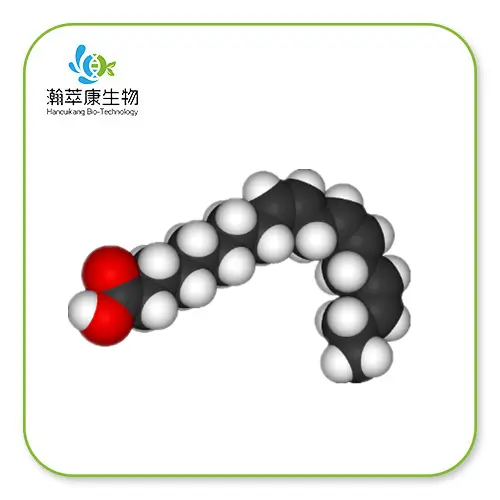
When looking for high-purity linolenic acid for omega-3 supplements, you need to carefully check the qualifications of the suppliers, the techniques they use to verify their work, and the rules they follow. Successful procurement means finding producers who sell pharmaceutical-grade alpha-linolenic acid with purity levels higher than 95%. These manufacturers should have full quality certificates and a clear supply chain. This complete book covers important factors to think about when sourcing, how to evaluate suppliers, and strategic procurement methods that make sure you always have access to high-quality raw materials while keeping costs down and following the rules in all markets across the world.
As the supplement business looks for more plant-based omega-3 alternatives, smart sourcing techniques have become even more important. This article looks at tried-and-true methods for finding trustworthy suppliers, setting quality criteria for products, and building long-term relationships that help with good formulation results and staying competitive in the market.
Understanding Linolenic Acid and Its Role in Omega-3 Supplements
Alpha-linolenic acid is an important omega-3 fatty acid because it has a unique chemical structure with three double bonds that have a big effect on how it works in the body and how it might be used to treat diseases. The human body cannot make this important fatty acid, thus taking it in via food is very important for maintaining good health.
Health Benefits and Clinical Applications
Studies show that alpha-linolenic acid has several health advantages, especially when it comes to preventing and treating heart disease. Clinical trials demonstrate its efficacy in the management of rheumatoid arthritis, multiple sclerosis, lupus, diabetes, and renal illness. The molecule also shows promise in treating ulcerative colitis, Crohn's disease, and avoiding pneumonia since it reduces inflammation.
Other medical uses include treating chronic obstructive pulmonary disease, migraine migraines, and certain skin malignancies. Mental health advantages include treating depression, while dermatological uses include treating inflammatory disorders like psoriasis and eczema. These many uses open up big market prospects for supplement makers that want to help people with particular health issues.
Distinguishing ALA from Other Omega-3 Fatty Acids
Knowing the difference between alpha-linolenic acid and other omega-3 compounds makes it easier to set goals for formulations and figure out how to sell them. Unlike EPA and DHA, which come from marine sources, ALA is a precursor that the body turns into longer-chain omega-3 fatty acids via enzymes. This conversion process affects how bioavailability is thought about and how much of a supplement is recommended.
Primary Industrial Sources and Extraction Methods
Flaxseed, chia seeds, hemp seeds, and walnuts are among plant-based foods that have the most alpha-linolenic acid. Advanced extraction methods including cold-pressing, supercritical CO2 extraction, and molecular distillation have a big effect on the purity and stability of the finished product. These processing procedures decide how long the supplements will last, how stable they are, and how good the final result is.
Key Criteria for Sourcing High-Purity Linolenic Acid
Setting strict quality standards is the first step in making sure that your procurement methods work. Suppliers at the top in their field always offer items that satisfy pharmaceutical-grade standards via thorough quality assurance methods and approved analytical testing.
Purity Standards and Analytical Verification
Gas chromatography and high-performance liquid chromatography tests show that premium-grade alpha-linolenic acid is usually more than 95% pure. These analytical techniques provide exact information about the composition, find possible impurities, and validate the fatty acid profiles. Good vendors provide you full certificates of analysis that show the purity, moisture content, peroxide levels, and heavy metal levels of their products.
Essential Supplier Certifications and Compliance
Manufacturers that are trustworthy have many quality certificates that show they follow international standards. ISO 9001:2015 accreditation means that a company has strong quality management systems, and Good Manufacturing Practice compliance means that the company always meets the same manufacturing requirements. Organic certificates show that a company cares about food safety, and HACCP shows that they care about using natural ingredients.
Hancuikang sets the bar for compliance in the industry with its wide range of certifications, which include ISO9001:2015 and EU EC396 and EU 2023/915 standards. These certifications make sure that the quality of the products satisfies strict international standards and helps them get into worldwide markets.
Pricing Analysis and Volume Considerations
In order to do strategic procurement, you need to do a lot of research on the market, including looking at current price patterns, seasonal changes, and volume-based incentives. Bulk purchase agreements typically save a lot of money and make sure that supplies keep coming. Long-term pricing strategies and contract negotiations are affected by market volatility caused by agricultural yields, extraction costs, and worldwide demand patterns.
Comparison of Linolenic Acid Forms and Supplement Options
In order for a supplement to work, the right distribution forms must be chosen so that they are bioavailable, stable, and acceptable to consumers. Each shape has its own pros and cons that need to be carefully weighed against the needs of the market and the capabilities of the manufacturer.
Linolenic Acid vs. Linoleic Acid: Critical Distinctions
Both molecules are part of the important fatty acid family, yet they work in quite different ways in the body. When you eat too much linoleic acid, which is an omega-6 fatty acid, it makes your body react with inflammation. On the other hand, alpha-linolenic acid has anti-inflammatory effects. This difference affects how products are made and how they are marketed to health-conscious people who want omega fatty acids in a balanced way.
Plant-Based vs. Marine-Derived Omega-3 Sources
When it comes to sustainability, plant-based omega-3 sources are becoming more popular than conventional fish oil derivatives. Alpha-linolenic acid from flaxseed and chia is a good source of renewable materials and is popular among vegetarians and vegans. Marine sources, on the other hand, contain pre-formed EPA and DHA, which may be better for some health purposes since they are easier for the body to absorb.
Formulation Options: Powder, Oil, and Encapsulated Forms
Oil-based formulas are the most powerful and absorb quickly, but they need to be handled carefully to avoid oxidation. Powdered forms are more stable and may be used to make tablets and capsules in a variety of ways. Encapsulated delivery solutions keep sensitive fatty acids from breaking down in the environment and make them taste better and easier for people to follow.
Practical Steps to Source Linolenic Acid from Trusted Suppliers
To choose a good supplier, you need to use systematic assessment methods that look at technical skills, quality standards, and the possibility for a long-term cooperation. This rigorous strategy lowers the risks of buying things while also building solid supply chains that help keep production schedules on track.
Supplier Evaluation and Due Diligence
The first step in a full supplier evaluation is to check their manufacturing credentials, quality certificates, and history of following the rules. When possible, site audits provide us useful information about manufacturing capacity and quality control systems. Checking customer references and the provider's reputation in the industry is another way to make sure that the supplier is reliable and provides good service.
Hancuikang has a proven track record of 15 years of specialized expertise in researching and supplying plant active ingredients, with goods going to more than 50 countries and regions. This wide worldwide presence shows that the company can handle a wide range of regulatory and customer needs in foreign regions.
Order Processing and Logistics Considerations
To make the most of procurement procedures, you need to know exactly what the minimum order quantities, packing requirements, and delivery times are. International shipping rules, especially for food-grade and medicinal materials, need rigorous record-keeping and checking for compliance. To maintain the quality of the product throughout shipping, it is very important to store and convey it at the right temperature.
Quality Assurance Protocols in Practice
A well-known supplement company recently teamed with Hancuikang to manufacture a high-quality omega-3 blend that is excellent for your heart. The agreement involved extensive testing protocols, such having a third party assess the levels of purity and make sure the product was stable at higher speeds. The product sold well since it was always good quality and not too expensive. This highlights how crucial it is to maintain good relationships with suppliers.
Integrating Linolenic Acid into Your Omega-3 Supplement Strategy
To acquire the maximum therapeutic results, you need to employ innovative formulation processes that make the drug more bioavailable and maintain it stable for the whole time it is on the shelf. Strategic integration studies how to provide the appropriate individuals the correct proportions of various nutrients so that they may get the most out of them.
Bioavailability Enhancement Strategies
Advanced formulation methods, such as lipid-based delivery systems, emulsification technologies, and synergistic nutrient combinations, greatly increase the absorption rates of alpha-linolenic acid. When you mix ALA with vitamin E, you get antioxidant protection against oxidative degradation and perhaps better therapeutic results. Microencapsulation methods keep delicate fatty acids safe from things in the environment and let them be released in a regulated way.
Regulatory Compliance and Labeling Requirements
If you want to do well in the worldwide market, you need to know all the restrictions of omega-3 supplement claims and labels. The FDA in the US sets guidelines over health claims, dosage recommendations, and safety warnings. The EFSA does the same thing throughout Europe, and each market has its own laws. All product registrations and market releases must include paperwork that show they are in conformity.
Future Innovation Trends and Sustainability
New ways to extract things, such enzymatic processing and green chemistry, are better for the environment and provide superior products. Customers are increasingly choosing to purchase from businesses that employ eco-friendly sourcing methods. This enables companies that are serious about using environmentally friendly production methods an opportunity to distinguish out. Companies in high-end marketplaces are still ahead of their competition because they come up with new ways to distribute products and make them more bioavailable.
Conclusion
You need to carefully check your suppliers' ability, quality standards, and compliance with rules in order to receive alpha-linolenic acid with a high purity level. As plant-based omega-3 alternatives grow increasingly popular and beneficial in medicine, companies have a lot of opportunity to build up robust supply chains with recognized sources. We are the finest partner for your omega-3 supplement creation projects since we have a long history of providing pharmaceutical-grade ingredients and can ship them anywhere in the globe. The omega-3 supplement company will fare better in the long term and be more competitive if you make smart purchases now.
Partner with Hancuikang for Premium Linolenic Acid Supply
Hancuikang stands ready to support your omega-3 supplement formulation success through our comprehensive portfolio of high-purity alpha-linolenic acid and related plant extracts. Our commitment to quality excellence, demonstrated through rigorous certifications and 15 years of industry expertise, ensures reliable access to pharmaceutical-grade raw materials. As a trusted linolenic acid supplier, we offer flexible formulations, neutral packaging options, and customized solutions meeting your specific market requirements. Contact us at fxu45118@gmail.com to explore partnership opportunities and access our extensive product catalog.
FAQ
Q1: What purity level should I expect for alpha-linolenic acid used in premium supplement formulations?
A: High-quality alpha-linolenic acid for supplement applications typically achieves purity levels exceeding 95%, verified through gas chromatography and HPLC analysis. Premium suppliers provide comprehensive certificates of analysis documenting exact composition, contamination levels, and stability parameters.
Q2: How does plant-based linolenic acid compare to marine-derived omega-3 sources in supplement formulations?
A: Plant-based alpha-linolenic acid offers sustainability advantages and appeals to vegetarian consumers, while marine sources provide pre-formed EPA and DHA. The choice depends on target market preferences, bioavailability requirements, and specific health claims being pursued.
Q3: What are the main stability challenges when formulating with alpha-linolenic acid?
A: Alpha-linolenic acid is susceptible to oxidation when exposed to heat, light, and oxygen. Proper formulation requires antioxidant protection, appropriate packaging materials, and controlled storage conditions to maintain product integrity throughout shelf life.
References
1. Simopoulos, A.P. "Alpha-linolenic acid and cardiovascular disease prevention: Clinical evidence and mechanisms." Journal of Nutritional Biochemistry, 2019.
2. Rodriguez-Leyva, D. & Pierce, G.N. "The impact of plant-based omega-3 fatty acids on human health and disease prevention." Current Opinion in Clinical Nutrition & Metabolic Care, 2018.
3. Barceló-Coblijn, G. & Murphy, E.J. "Alpha-linolenic acid and its conversion to longer chain n-3 fatty acids: Benefits for human health and a role in maintaining tissue n-3 fatty acid levels." Progress in Lipid Research, 2020.
4. Hashempour-Baltork, F. et al. "Vegetable oil blending: A review of physicochemical, nutritional and health effects." Trends in Food Science & Technology, 2019.
5. Gebauer, S.K. et al. "n-3 fatty acid dietary recommendations and food sources to achieve essentiality and cardiovascular benefits." American Journal of Clinical Nutrition, 2018.
6. Calder, P.C. "Functional roles of fatty acids and their effects on human health." Journal of Parenteral and Enteral Nutrition, 2021.