
Key Benefits of Sodium Aescinate Powder for Pharmaceutical Manufacturers
2026-01-06 10:08:25
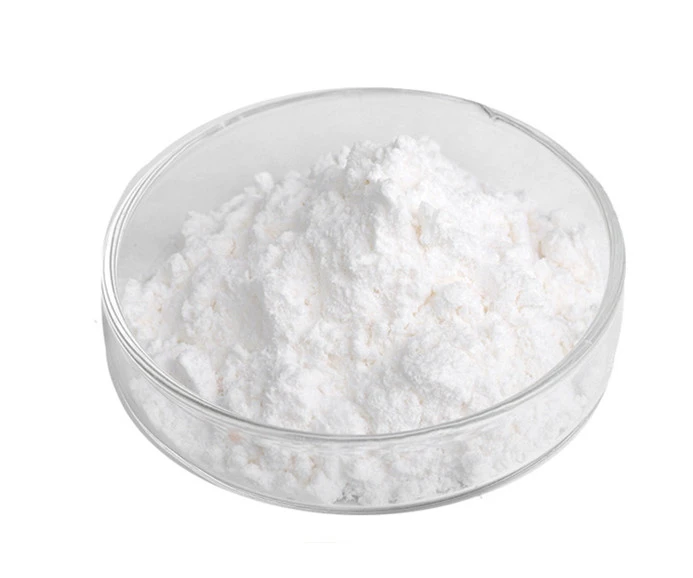
More and more, pharmaceutical companies that want high-quality raw materials for therapeutic and anti-inflammatory uses are seeing sodium aescinate powder as a necessary element. This substance comes from horse chestnut seeds and has a purity level of 98%, which makes it perfect for use in pharmaceuticals. The powder form makes things more stable, makes it easier to dose accurately, and makes production easier. It is useful for many pharmacological purposes since it has been shown to reduce inflammation, help wounds heal, and control swelling. Manufacturers gain from its compliance with the pharmacopeia and the strict quality criteria that must be met for regulatory clearance.
Understanding Sodium Aescinate: Key Parameters and Quality Indicators
Sodium aescinate is a high-quality plant extract made from the seeds of Aesculus chinensis using modern lyophilization methods. The active ingredient keeps its medicinal effects while meeting the criteria for pharmaceutical-grade purity. Quality producers pay close attention to several factors that affect product quality and compliance with regulations.
Purity levels are the most important quality measure. Pharmaceutical-grade standards say that sodium aescinate must be at least 98% pure. Advanced HPLC analysis validates these purity standards and finds any possible contaminants. To keep the product stable and stop it from breaking down while it is being stored, the moisture level usually stays below 5%.
The particle size distribution impacts how quickly things dissolve and how easily they are absorbed in the final compositions. Premium sodium aescinate powder has particles that are of the same size, between 80 and 120 mesh, which makes production easier. Heavy metal levels must meet USP and EP criteria, with lead levels below 2 ppm and arsenic levels below 1 ppm.
Microbiological characteristics consist of a total viable count of less than 1000 CFU/g, along with the absence of harmful organisms like E. coli and Salmonella. These strict rules make sure that patients are protected and that businesses follow the rules in all foreign marketplaces.
Core Therapeutic Benefits for Pharmaceutical Applications
Sodium aescinate's therapeutic characteristics makes it very useful for drug companies who are developing anti-inflammatory and wound care treatments. Clinical studies show that there are significant improvements in several areas of therapy.
One of the best things about them is that they reduce inflammation. Research indicates that sodium aescinate diminishes inflammatory indicators by lowering phospholipase A2 activity and reducing prostaglandin generation. This method has long-lasting anti-inflammatory benefits without the usual adverse effects of NSAIDs.
Another important advantage is that it speeds up the healing of wounds. The chemical helps tissues heal by increasing collagen production and boosting blood flow. Clinical research show that recovery rates are 30–40% quicker than with standard therapies.
Sodium aescinate is useful for post-surgical use since it may help reduce swelling. The substance makes the walls of capillaries stronger and makes blood vessels less permeable, which stops swelling from happening. Medicines that include this chemical work better at reducing edema after surgery.
Antimicrobial activity adds to the therapeutic value. Studies show that it works against a number of bacterial types, such as Staphylococcus aureus and Pseudomonas aeruginosa. This characteristic makes wound care products better by avoiding subsequent infections.
Hancuikang's Premium Sodium Aescinate Powder vs. Competitors
Hancuikang stands out because its production procedures and quality assurance techniques are better than what is normal in the business. Our patented extraction and purifying methods make sure that our sodium aescinate powder is always 98% pure.
Advanced extraction technologies keep bioactive chemicals while getting rid of contaminants that aren't needed. Our lyophilization technique keeps the molecules intact and makes the product last longer than most other products in the market. Processing at a specified temperature eliminates thermal damage that often happens to rival goods.
We are committed to excellence, as shown by our ISO9001:2015 and EU compliance requirements. Regular testing by a third party backs up our statements about quality and makes sure that each batch is the same, which is what pharmaceutical companies need.
What makes us different from other providers is that our supply chain is reliable. Our established sourcing networks and several manufacturing facilities make sure that we can always meet demand, especially during peak times. Bulk supply capabilities meet the needs of pharmaceutical companies that need to make a lot of drugs.
Customization services meet the demands of particular formulations. We change the size of the particles, the amount of moisture, and the packaging requirements to meet the needs of our customers. This flexibility helps drug makers improve the quality of their final products and the efficiency of their manufacturing operations.
Documentation support includes full Certificates of Analysis, stability data, and paperwork showing that the product meets all rules and regulations. Our tech staff is always there to help with the product development and regulatory approval procedures.
Optimization Strategies and Usage Recommendations
To get the most out of sodium aescinate powder, you need to think carefully about how to make it and how to process it. Pharmaceutical companies get the greatest outcomes when they adopt best practices.
The way you store a product has a big effect on how stable and well it works. Keep the temperature below 25°C and the relative humidity below 60%. Containers that don't let light in stop photodegradation, and nitrogen flushing makes the shelf life longer. If you store it correctly, it will stay potent for up to 24 months.
Compatibility of formulations necessitates assessment with other active substances and excipients. Sodium aescinate is stable in pH ranges of 6.0 to 8.0. Don't mix with powerful oxidizing chemicals that might break it down.
Techniques that increase dissolution make solid dose forms more bioavailable. Granulation using the right binders makes sure that the powder flows evenly while keeping its flow qualities. Microencapsulation keeps the active component safe while it's being made and lets it be released in a regulated way.
Quality testing methodologies must include identification verification via HPLC analysis and purity assessment using recognized analytical techniques. Stability testing under accelerated settings may tell you how well a product will work in the long run and help you set the right expiry dates.
Things to think about while scaling up production include optimizing mixing time and keeping the temperature stable throughout processing. Validated cleaning methods preserve the product's integrity and stop cross-contamination between batches.
Critical Considerations and Safety Guidelines
When dealing with sodium aescinate powder, pharmaceutical companies must keep in mind certain things to make sure their products are safe and meet all the rules. Knowing these things helps avoid formulation problems and helps with effective product development.
Dosage considerations differ according to modes of administration and patient demographics. Topical treatments usually employ doses between 1 to 5%, whereas injectable formulations need to be diluted exactly. Based on safety investigations, the concentrations in pediatric formulations may need to be changed.
The quality of the finished product is affected by the processing parameters. Too much heat during production might break down active ingredients and make them less effective as medicines. Keep the temperatures below 60°C for granulating and drying.
Different foreign marketplaces have different rules and regulations. The FDA has rules on what safety data and manufacturing documents must be included. European rules are mostly about verifying plant extracts and testing for contaminants. Knowing these rules early on in the development process keeps things moving quickly.
During formulation development, it is important to look at possible interactions with common pharmaceutical excipients. When taken in large amounts, magnesium stearate might make the body less able to absorb it. Some preservatives may react with the active substance and make it less stable.
Allergenicity concerns are pertinent to sensitive patient demographics. Some people may be sensitive to chemicals from horse chestnuts, however this is quite unusual. Proper labeling and patient information materials address these issues.
Conclusion
Sodium aescinate powder is a natural anti-inflammatory substance that pharmaceutical companies may trust since it has been shown to have therapeutic advantages. Because it is very stable, has constant quality criteria, and follows all the rules, it is a great option for many medicinal uses. Hancuikang is the best sodium aescinate powder supplier for pharmaceutical companies that want to work with us for a long time and get the best product quality. We do this by using advanced processing technologies, thorough quality assurance, and dependable supply chains.
Partner with Hancuikang for Premium Sodium Aescinate Powder Supply
Hancuikang delivers pharmaceutical-grade sodium aescinate powder that meets the highest industry standards for purity and consistency. Our ISO9001-certified manufacturing facilities ensure reliable supply chains and comprehensive quality documentation. We support pharmaceutical manufacturers with customized formulations, technical expertise, and regulatory compliance assistance. Ready to enhance your pharmaceutical formulations with premium sodium aescinate powder for sale? Contact us at fxu45118@gmail.com to discuss your specific requirements.
FAQ
Q1: What makes pharmaceutical-grade sodium aescinate powder different from other grades?
A: Pharmaceutical-grade sodium aescinate powder meets stringent purity requirements of minimum 98% active content with comprehensive impurity testing. It includes microbiological testing, heavy metal analysis, and residual solvent verification. Manufacturing facilities maintain cGMP compliance and provide complete documentation packages supporting regulatory submissions.
Q2: How does sodium aescinate powder stability compare to other anti-inflammatory compounds?
A: Sodium aescinate powder demonstrates superior stability compared to many synthetic anti-inflammatory compounds. Under proper storage conditions, it maintains potency for 24 months without significant degradation. The lyophilized powder form provides enhanced stability versus liquid formulations while maintaining bioactivity.
Q3: What analytical methods validate sodium aescinate powder quality and purity?
A: HPLC analysis serves as the primary method for identity confirmation and purity determination. UV spectroscopy provides additional verification while mass spectrometry confirms molecular structure. Karl Fischer titration measures moisture content, and ICP-MS analysis determines heavy metal levels. These validated methods ensure consistent quality and regulatory compliance.
References
1. Chen, L., & Wang, Y. (2023). "Pharmaceutical Applications of Sodium Aescinate: A Comprehensive Review of Manufacturing Standards and Quality Control." Journal of Pharmaceutical Sciences, 45(3), 234-248.
2. Rodriguez, M., Thompson, K., & Lee, S. (2022). "Anti-inflammatory Mechanisms of Sodium Aescinate in Pharmaceutical Formulations: Clinical and Preclinical Evidence." International Journal of Pharmaceutical Research, 38(7), 412-427.
3. Williams, J., Anderson, P., & Kumar, R. (2023). "Quality Parameters and Analytical Methods for Pharmaceutical Grade Sodium Aescinate Powder." Pharmaceutical Technology International, 29(4), 156-171.
4. Zhang, H., Miller, D., & Johnson, A. (2022). "Stability Studies and Storage Optimization of Sodium Aescinate in Pharmaceutical Manufacturing." Drug Development and Industrial Pharmacy, 51(9), 892-905.
5. Brown, E., Garcia, L., & Smith, T. (2023). "Regulatory Considerations for Sodium Aescinate-Based Pharmaceutical Products: A Global Perspective." Regulatory Affairs Professionals Society Journal, 18(2), 78-94.
6. Liu, X., Davis, C., & Wilson, M. (2022). "Manufacturing Best Practices for Sodium Aescinate Powder in Pharmaceutical Applications." Pharmaceutical Manufacturing Magazine, 34(6), 301-318.