
Lumbrokinase vs. Nattokinase: What's the Difference?
2025-12-25 15:51:13
Enzymatic support is an emerging category in the field of supplements for cardiovascular health. Lumbrokinase and nattokinase enzyme are the two protease enzymes that are discussed the most. Both have a great deal of promise to preserve viscosity and promote normal blood flow. They come from many biological sources, though, and have unique properties in terms of action and effectiveness. Recognizing these distinctions is crucial for B2B ingredient sourcing. The effectiveness, standardization, and market positioning of the finished product are determined by the enzyme selection. Let's examine in detail the comparisons that formulators find most important.
Source & Basic Nature
The fundamental difference between these two potent substances lies in their biological origins and composition. Understanding these foundational aspects sets the stage for appreciating their functional disparities.
Lumbrokinase:
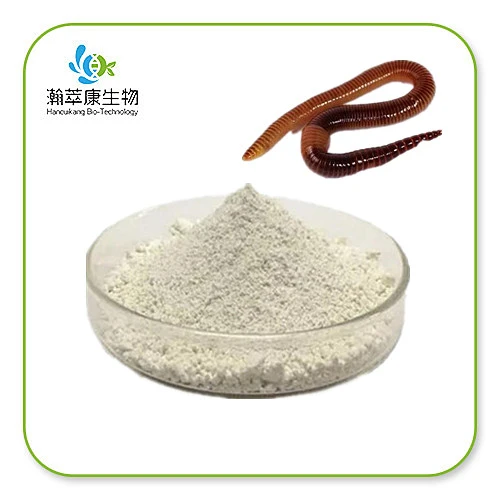
Lumbrokinase is derived directly from earthworms, primarily the speciesLumbricus rubellus. It is not a singular substance but rather a complex mixture. This mixture comprises over six distinct proteolytic enzymes, including plasminogen activators. Furthermore, it possesses intrinsic plasmin activity. Its molecular weight range is quite broad, spanning approximately 16,000 to 45,000 Daltons (Da). This enzyme complex benefits from a long history of use. It has been utilized in traditional Chinese medicine for centuries to promote wellness related to circulation.
Nattokinase:
On the other hand, bacteria produce the nattokinase enzyme. Bacillus subtilis bacteria are its source. When soybeans are fermented to make natto, a classic Japanese dish, this bacterium produces the enzyme. Nattokinase is less complex chemically than lumbrokinase. It is a single, specialized serine protease enzyme. It has a more precise molecular weight of around 27,724 Da (or 27.7 kDa). Dr. Hiroyuki Sumi is credited with making the current discovery of nattokinase in Japan about 1980. Since then, it has gained international recognition as a standard supplement.
Mechanism of Action
Both enzymes target fibrin, the protein responsible for blood clotting and the formation of thrombi. However, the precise way they interact with this target differs based on their source and enzymatic structure. This mechanism variation influences their ultimate application scope.
Fibrinolysis Pathways
Lumbrokinase acts through a multifaceted approach. Because it contains intrinsic plasmin activity and plasminogen activators, it directly initiates the breakdown of fibrin clots. It stimulates the body's natural fibrinolytic system more broadly. This dual action is believed to contribute to its significant overall fibrin-dissolving capability. It effectively promotes the dissolution of existing clots.
Direct Proteolytic Activity
The nattokinase enzyme primarily functions as a direct fibrinolytic agent. It is classified as a serine protease. This means it directly cleaves specific bonds within the fibrin protein structure. While highly effective at digesting fibrin, its mechanism is typically viewed as more singular compared to the multi-enzyme approach of lumbrokinase. Nonetheless, this direct action proves beneficial for maintaining healthy blood consistency.
Potency & Efficacy
When comparing these two powerful ingredients, the most striking difference emerges in their raw fibrinolytic power as measured in laboratory settings. This potency directly impacts how much raw material is needed to achieve therapeutic outcomes.
Fibrinolytic Power:
There is compelling evidence that lumbrokinase has a significantly higher capacity to dissolve fibrin. According to research, lumbrokinase is around 30 times more effective than nattokinase in laboratory testing for fibrin clot dissolution. Examine particular findings: In a controlled lab environment, test thrombi were dissolved in about 12 minutes at a lumbrokinase dose of 2.5 mg/mL. The nattokinase enzyme needed 21 minutes to accomplish a similar breakdown in the same circumstances. This significant difference suggests that equal action requires less lumbrokinase material.
This potency differential translates into tangible product value. For instance, a single capsule of a premium lumbrokinase product is estimated to contain the equivalent fibrinolytic activity of roughly 10 standard nattokinase enzyme capsules. This factor is highly persuasive for formulators seeking maximum impact from lower dose levels.
Clinical Efficacy:
Both enzymes demonstrate clinically relevant benefits, albeit through slightly varied applications. Lumbrokinase research often points toward its efficacy in improving microcirculation and reducing overall blood viscosity. It has been studied for its supportive role in conditions involving reduced blood flow. Furthermore, some studies suggest it can help lower fibrinogen levels and inhibit excessive platelet aggregation. It shows promise in supporting outcomes related to specific circulatory challenges.
Conversely, the Nattokinase enzyme has shown significant promise in areas like reducing the size of carotid plaque buildup. A recent clinical trial in 2023 documented a notable 36.6% reduction in such plaque. Nattokinase also effectively helps lower blood pressure in individuals with hypertension. Its known role in improving endothelial function contributes to overall smoother blood flow. It is widely used in formulations aimed at preventing issues like deep vein thrombosis (DVT) through supportive measures.
Dosage & Standardization
Because these enzymes are measured differently, understanding their respective unit standards is vital for accurate formulation blending. Over-dosing or under-dosing impacts both safety profiles and marketing effectiveness.
Lumbrokinase:
Either Lumbrokinase Units (LKUs) or recognized benchmarks such as tissue plasminogen activator (t-PA) activity or urokinase are used to standardize Lumbrokinase. Manufacturers frequently concentrate on the extract's percentage of active enzymes because of its inconsistent composition. The standardized extract should be taken 40–100 mg daily, according to the usual therapeutic dose range. Keep in mind that approximately 5% to 20% of the truly active enzymes are often present in this standardized extract.
Nattokinase:
The nattokinase enzyme is standardized using Fibrinolytic Units (FU) or sometimes simply Nattokinase Units (NK). These metrics specifically quantify its ability to break down fibrin. Maintenance doses typically range from 2,000 to 4,000 FU daily. However, for more intensive supportive effects, therapeutic levels can reach 8,000 to 12,000 FU daily. Standard capsules usually contain between 1,000 and 2,000 FU within a 100 mg to 200 mg total ingredient weight.
Dose Conversion (Approximate):
For formulators needing to substitute or compare volumes, an approximate conversion is helpful. Due to its higher potency, 1 mg of high-quality lumbrokinase is roughly equivalent to 1,000 to 1,500 FU of nattokinase enzyme.
Nattokinase Enzyme Supplier: Hancuikang
Selecting your supplier for these advanced enzymatic ingredients requires confidence in quality control, documentation, and stability. Hancuikang is a leading provider of high-grade enzyme ingredients, ensuring you receive materials ready for immediate integration into your complex supplement matrix.
Hancuikang supplies premium enzyme ingredients ready for your formulation needs. We provide materials that support key product function areas. These functions include promoting an anticoagulant effect (supporting healthy clot maintenance), improving circulatory system dynamics, aiding in lowering blood pressure in individuals maintaining healthy levels, offering anti-inflammatory effect, and contributing to digestive support via proteolytic action. We offer high-purity nattokinase enzyme powder, alongside specialized enzymes like Lumbrokinase, backed by deep formulation expertise.
Adhering to strict compliance standards like EU EC396 is fundamental to our process. We export to over 50 regions, demonstrating our global layout and trade capabilities. We excel in providing customized raw material formulas based on your specific consumption scenarios. To elevate your cardiovascular support lines with reliable, high-activity enzymes, contact us directly. Send your inquiry regarding high-quality nattokinase enzyme and other advanced ingredients to fxu45118@gmail.com. Partner with Hancuikang for guaranteed supply chain excellence.
FAQs
Q1: Is Lumbrokinase derived from the same species used in traditional medicine?
A: While various earthworm species exist, the enzyme complex generally referred to as Lumbrokinase in modern supplements is typically sourced from Lumbricus rubellus or similar species known for high enzymatic activity.
Q2: Which enzyme is better for general wellness versus therapeutic support?
A: Nattokinase is widely accepted for daily maintenance of healthy circulation. Lumbrokinase, due to its higher potency, is often chosen for formulations aiming for more intensive support for microcirculation improvement.
Q3: Does Nattokinase have an enteric coating requirement?
A: Yes, because it is a protein enzyme, nattokinase enzyme is frequently protected with an enteric coating to ensure it survives stomach acidity and dissolves properly in the small intestine for optimal absorption.
Q4: Are both enzymes safe for long-term incorporation into supplements?
A: Both have established safety profiles when used at recommended dosage levels. Formulators must always reference current regulatory body recommendations for daily intake levels.
References
- Research papers comparing the fibrinolytic activity (e.g., thrombus dissolution time) of Lumbrokinase versus Nattokinase preparations in vitro.
- Clinical study summaries detailing the effects of Nattokinase supplementation on carotid intima-media thickness and blood pressure modulation.
- Biochemical texts defining the molecular weight and enzymatic class (serine protease) for both Lumbrokinase and Nattokinase.
- Guidelines and industry standards for the measurement and labeling of enzymatic activity using FU and LKU units.
- Publications discussing the historical application of earthworm extracts in traditional Eastern medicine for circulatory support.