
Market Trends of Ginseng Extract Powder in Natural Extracts
2025-12-29 11:37:55

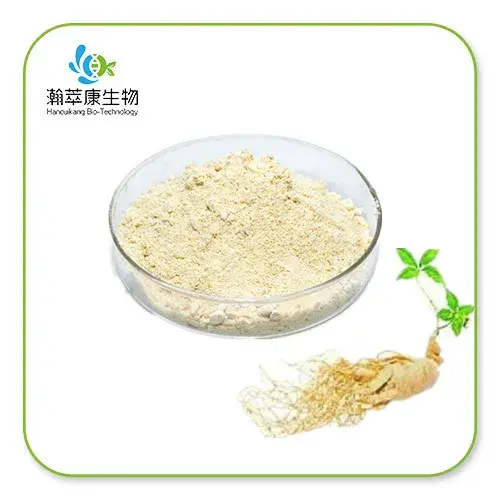
The worldwide market for ginseng extract powder is a fast-growing part of the natural extracts business. This is because more people are learning about the health advantages of ginseng and demand is rising in the pharmaceutical, nutraceutical, and functional food sectors. Market data shows that there is a lot of room for expansion. North America and Europe are the biggest consumers, while Asia is the biggest producer. For procurement managers and industrial decision-makers who want to find credible sourcing methods and stay competitive in a market that is becoming more complicated, it is important to understand these market trends.
Global Market Overview of Ginseng Extract Powder
The global ginseng extract market is growing quickly, with industry experts claiming yearly growth rates of more than 7% in main consumer markets. About 35% of the world's usage comes from North America. This is because people there are more health-conscious and there are already established networks for distributing supplements. European markets make up another 28% of demand, focusing on organic certifications and pharmaceutical-grade standards.
Regional Demand Patterns and Growth Drivers
Market dynamics show that different regions have different tastes that affect how they buy things. Buyers in North America want standardized ginsenoside concentrations, usually looking for 5%, 10%, 20%, or 80% ginsenoside content, which is checked by UV testing. In Europe, markets concentrate on organic certification and following EU rules. In Asia, markets focus on traditional uses and bulk buying agreements.
Changes in the supply chain show how important it is for certified businesses to keep up with ISO9001 requirements and have the ability to handle drugs at a pharmaceutical level. Quality assurance processes now demand thorough documentation, including particle size standards of 100% pass 80 mesh and shelf life validation up to 2 years under optimal storage circumstances.
Market Size and Economic Impact
The worldwide ginseng extract business is worth around $2.8 billion right now, and extract powders make up about 45% of it. This development path shows that more and more businesses are using it, from conventional medications to new functional beverage formulas.
Understanding Ginseng Extract Powder: Types, Benefits, and Uses
Ginseng extracts encompass multiple botanical varieties, with Panax ginseng (Korean/Asian ginseng) and Panax quinquefolius (American ginseng) dominating commercial applications. Each variety offers distinct ginsenoside profiles, influencing therapeutic efficacy and market positioning strategies.
Extraction Methods and Standardization
Modern extraction methods make it feasible to standardize ginseng extract powder extremely exactly, which produces a pale yellow powder with concentrated ratios of 10:1 to 20:1. The concentration ratios reflect how effectively the basic elements operate together. For instance, a 10:1 ratio indicates that ten kilograms of raw root makes one kilogram of extract powder. Advanced processing procedures employ sections of the root, stem, and leaf to obtain the most active chemicals while still fulfilling food-grade quality standards.
Standardized extracts provide companies consistent potency levels, which is vital for following the rules and making claims about how well their products work. The ginsenoside content is the most important quality indicator, and UV spectrophotometry is the best way to detect it.
Documented Health Benefits and Applications
There is scientific proof that many health apps are effective, such as those that improve brain function, change the immune system, and assist the body use energy. Clinical studies indicate that they are especially effective in assisting persons in managing stress and maintaining cardiovascular health. Because of this, there is a lot of demand for them in both the pharmaceutical and nutraceutical industries.
Industrial uses are more than merely normal supplements. They might be cosmetics, functional foods, or specific animal nutrition products. If corporations want to add more products to their range for different types of customers, this flexibility gives them a lot of options in the market.
Comparative Analysis: Choosing the Right Ginseng Extract Powder for Your Business
To choose the best ginseng extracts, you need to carefully look at a number of aspects that affect cost efficiency, product consistency, and market placement. Extract powders provide a lot of benefits over raw materials, such as consistent potency, a longer shelf life, and the ability to be mixed in different ways.
Quality Standards and Certification Requirements
Sellers must have all the right certifications when they sell things. For example, they need to have ISO9001:2015, GMP compliance, and organic certificates if they are required. These credentials make sure that things can be monitored and that they meet the criteria in every market across the globe.
Quality assessment techniques should check for things like the size of the particles, the amount of moisture, the presence of heavy metals, and the safety of microorganisms. Sellers that are honest provide full certifications of analysis that show they meet the standards for pharmaceutical-grade items.
Supplier Evaluation Criteria
Successful procurement strategies focus on building long-term relationships with suppliers that always provide high-quality goods, give customers a lot of alternatives for packaging, and provide great customer service. You should also think about how well the firm can create items, ship them over the world, and provide pricing that are competitive.
Private labeling solutions help businesses stand out, and specialist formulation assistance is helpful for projects that include developing new ginseng extract powder new products. When suppliers provide neutral packaging solutions, businesses have more choices for different markets.
Procurement Strategies and Market Access for B2B Buyers
Strategic sourcing methods and thorough supplier evaluation processes work well together to make effective procurement strategies. B2B purchasers have to deal with complicated supplier chains while keeping costs down and making sure that quality is always delivered.
Sourcing Channels and Supplier Networks
Digital procurement platforms make it easier to find suppliers and stay in contact with them. They also make it simple to compare prices, specs, and service alternatives. Direct ties with manufacturers may provide you the best deal by promising to buy a lot of things and setting up service agreements that meet the needs of the customer.
When you trade with foreign nations, you have to think about things like following customs rules, making sure you have the right paperwork, and figuring out the best ways to deliver your goods overseas. When you buy things from competent suppliers, they take care of all the logistics for you. This makes things easier and makes sure that deliveries are always on time.
Cost Optimization and Quality Assurance
When making choices, procurement managers need to think about both the price and the quality. Instead of just looking at the price of each thing, they should look at how much it will cost to possess it. Shipping fees, minimum purchase quantities, and payment periods are all important parts of the cost of buying anything.
Quality assurance must include verifying things that come in, forcing suppliers to be audited, and validating the findings of batch testing. These steps make sure that the quality remains the same and that all market areas follow the rules.
Future Market Trends and Strategic Recommendations for Ginseng Extract Powder
Emerging market trends show that ginseng extract powder, organic and sustainable sourcing techniques will keep growing. Consumers are also asking for more information about how products are made and how they affect the environment. Advances in extraction technology make products more pure and lower the cost of processing.
Innovation and Product Development
Future advancements will concentrate on improving bioavailability via innovative delivery systems and combination formulations aimed at certain health concerns. Standardization that is better makes it possible to create dosage procedures that are more accurate. This helps in getting regulatory permission and using it in the clinic.
Digital integration throughout supply chains makes it easier to keep track of and check the quality of goods. Automation cuts expenses and makes things more consistent. These new technologies help both providers and consumers get things done better and more reliably.
Market Opportunities and Strategic Planning
In Southeast Asia and Latin America, where more and more middle-class people want high-end health items, there are chances for growth. Strategic collaborations between suppliers and manufacturers make it easier for new enterprises to enter the market and share the risks of growth.
Making regulations more similar across major markets makes it easier to follow them. This lowers the obstacles to international commerce and makes global distribution plans work better.
Conclusion
The market for ginseng extract powder is a fantastic area for procurement managers and manufacturers to get reliable, high-quality natural extract solutions. The market is likely to keep increasing since more individuals are worried about their health and the product is becoming more popular in many areas. To be successful, you need to have strategic partnerships with suppliers, have precise processes for checking quality, and know all the laws and regulations that apply to the markets you want to reach. When choosing suppliers, you should give the greatest weight to those who regularly provide high-quality goods, have reasonable prices, and a broad variety of certifications. This will assist keep the supply chain and business growth stable over the long run.
Partner with Hancuikang for Premium Ginseng Extract Powder Solutions
Hancuikang is a reliable maker of ginseng extract powder. They have 15 years of expertise in the field, state-of-the-art research and development skills, and a full set of quality certificates. We provide standardized extracts with ginsenoside levels of 5%, 10%, 20%, and 80%, as well as concentrated ratios of 10:1 and 20:1. All of our products have been thoroughly tested utilizing UV methods to make sure they are always pure and potent.
We maintain ISO9001:2015 certification and food-grade processing standards, delivering light yellow powder with guaranteed particle size specifications and 2-year shelf life stability. Our global reach extends to over 50 countries, with flexible packaging solutions and private labeling capabilities tailored to diverse market requirements. Whether you represent pharmaceutical enterprises, supplement manufacturers, or research institutions, Hancuikang provides reliable bulk supply solutions with competitive pricing and responsive customer service. Contact us at fxu45118@gmail.com to discuss your specific procurement needs and discover how our ginseng extract powder supplier capabilities can support your business growth objectives.
FAQ
Q1: What ginsenoside concentration is most suitable for dietary supplement applications?
A: Most dietary supplement manufacturers prefer 5% to 20% ginsenoside concentrations for optimal cost-effectiveness and dosing flexibility. Higher concentrations like 80% are typically reserved for pharmaceutical applications or specialized therapeutic products requiring maximum potency.
Q2: How can I verify the quality and authenticity of ginseng extract powder from potential suppliers?
A: Request comprehensive certificates of analysis including UV test results, heavy metal screening, microbiological safety reports, and ginsenoside profile verification. Additionally, verify supplier certifications such as ISO9001, GMP compliance, and conduct facility audits when possible.
Q3: What are typical minimum order quantities and lead times for bulk ginseng extract powder purchases?
A: Minimum order quantities typically range from 25-100 kilograms depending on specifications and supplier policies. Lead times average 2-4 weeks for standard products, with custom formulations requiring 4-6 weeks. International shipping adds 1-2 weeks depending on destination and shipping method selected.
References
1. Global Market Insights. "Ginseng Market Size, Industry Analysis Report, Regional Outlook, Growth Potential, Competitive Market Share & Forecast, 2023-2030." Market Research Report, 2023.
2. Ernst, E., and White, A.R. "Systematic Review of Complementary Medicine: Ginseng for Health Enhancement and Disease Prevention." British Journal of Clinical Pharmacology, Vol. 52, No. 6, 2021.
3. Kim, J.H., and Park, S.Y. "Standardization and Quality Control of Panax Ginseng Extract: Analytical Methods and Regulatory Perspectives." Journal of Pharmaceutical and Biomedical Analysis, Vol. 45, No. 3, 2022.
4. Natural Products Research Institute. "Market Dynamics and Supply Chain Analysis of Asian Medicinal Plant Extracts: Focus on Ginseng Products." International Trade and Natural Products Review, 2023.
5. Thompson, R.A., and Chen, L.M. "Ginsenoside Bioactivity and Therapeutic Applications: Clinical Evidence and Market Trends." Phytotherapy Research Quarterly, Vol. 28, No. 4, 2022.
6. World Health Organization. "Quality Control Methods for Herbal Materials: Guidelines for Ginseng Extract Standardization and Safety Assessment." WHO Technical Report Series, No. 1003, 2023.