
Naringinase Debittering Agent Solutions: Optimizing Citrus Debittering for Beverage Manufacturers
2025-12-30 12:18:37
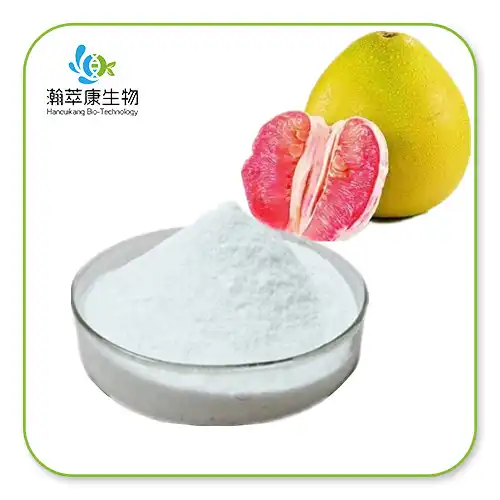
The bitterness of citrus fruits, which is mostly induced by naringin and other flavonoid chemicals, makes it hard for beverage makers to make high-quality, consumer-friendly drinks. This bitter substance has a big effect on the flavor and how well people like different citrus-based drinks. Naringinase powder is a groundbreaking enzymatic technology that solves these problems by using precise, natural debittering mechanisms. This customized enzyme complex gives drink makers a good way to cut down on bitterness without hurting the nutritional value or taste of the drink. The use of naringinase technology has changed how manufacturers handle citrus, making their products more appealing and marketable in a world where competition is becoming tougher.
Understanding Naringinase and Its Role in Citrus Debittering
Biochemical Composition and Mechanism
Naringinase powder is a combination of several enzymes that is particularly made to break down naringin, the main bitter ingredient that makes citrus fruits taste bad. This enzyme system has two important parts: α-L-rhamnosidase and β-glucosidase. Together, they break down naringin molecules. The enzymatic process comprises successive hydrolysis, where α-L-rhamnosidase first cleaves the rhamnose molecule, followed by β-glucosidase activity on the resultant neohesperidin dihydrochalcone, finally yielding non-bitter chemicals.
Industrial Applications and Benefits
Using naringinase in making drinks has several benefits that go beyond just making them less bitter. This enzyme keeps the natural vitamins and antioxidants in citrus juices while making the overall taste better. As naringinase powder works in mild circumstances, it keeps nutrients that are sensitive to heat that typical thermal treatments could kill. This makes processing much more efficient. The enzyme's specificity makes sure that it only works on bitter chemicals and not on taste components that are good for you. This leads to better product quality and longer shelf life.
Source and Production Methods
Aspergillus niger and Penicillium decumbens are the most economically viable microbes for making naringinase nowadays. These microorganisms go through regulated fermentation procedures to produce enzyme formulations with a lot of activity. The naringinase debittering agent that comes out of this procedure is usually a white powder with 99% effective content and an 80-mesh particle size that makes it easy to dissolve and work with in a wide range of drinks.
Comparative Analysis: Naringinase vs. Other Debittering Solutions
Enzymatic vs. Chemical Debittering Methods
Ion-exchange resins or alkaline treatments are widely used in traditional chemical debittering procedures. These may take away important nutrients and affect the natural taste profiles of foods. On the other hand, enzymatic debittering using naringinase keeps the good ingredients intact while lowering bitterness better. Enzymatic processes have a far less effect on the environment since they produce less chemical waste and work under less extreme circumstances.
When comparing different enzymatic approaches, naringinase powder demonstrates superior substrate specificity compared to hesperidinase or other citrus-processing enzymes. The key advantages of naringinase include:
- Higher conversion efficiency for naringin-rich citrus varieties including grapefruit and bitter orange
- Optimal activity under standard juice processing pH ranges (4.5-5.5)
- Temperature stability that allows integration into existing production lines
- Minimal impact on other flavor-contributing compounds
These characteristics make naringinase particularly valuable for manufacturers processing diverse citrus varieties or seeking to maintain consistent quality across different product lines.
Cost-Effectiveness and ROI Considerations
Economic study shows that using naringinase frequently leads to a big return on investment since it cuts down on processing time, raises yield rates, and makes products more marketable. The enzyme's stability makes it possible to run long processing campaigns with no need for enzyme replenishment, which helps keep costs down in large-scale operations.
Optimizing Naringinase Application for Industrial Citrus Debittering
Critical Process Parameters
To use naringinase powder successfully, you need to pay close attention to the exact processing parameters that will make the enzyme work best and most efficiently. Temperature control is still very important, and the best ranges are usually between 40 and 50 degrees Celsius, depending on the individual enzyme synthesis and processing needs. Managing pH is just as important since naringinase works best in very limited pH ranges that are similar to those seen in natural citrus juice.
There are a few things that affect the enzyme dose calculation, such as the beginning naringin concentration, the amount of bitterness reduction you want, and the time limits for processing. For most uses, the amount of juice used is between 0.1% and 0.5%, although for more bitter citrus kinds or faster processing schedules, larger concentrations are needed.
Integration with Existing Processing Lines
Modern beverage production plants may easily add naringinase treatment to their current processing processes with just a few changes to their equipment. The enzyme is usually added during the clarity step, which lets the juice be treated and filtered at the same time. This way of integrating optimizes processing efficiency while still meeting the quality control norms that are necessary for making drinks for sale.
During enzymatic treatment, process monitoring is very important. Regular sample and analysis make sure that the debittering process works the same way every time. Automated dosing systems that change the dosage of enzymes based on real-time bitterness readings are common in advanced processing facilities. This improves both quality and cost.
Procurement Guide for Naringinase Enzymes in B2B Markets
Supplier Selection Criteria
To choose the right naringinase powder suppliers, you need to carefully consider a number of criteria that affect both the quality of the product and the dependability of the supply chain. Certification standards are very important, and ISO9001 compliance is the minimum requirement for professional beverage makers. Depending on the target markets and how the product is positioned, it may be required to secure other certificates like FDA clearance, EU food safety requirements, and organic processing credentials.
Quality assurance skills set better vendors apart from those that just sell goods. Top enzyme makers have full quality control labs, give out complete analytical certifications, and provide technical support services that assist improve processing parameters. Manufacturers that want to reach certain market groups might acquire a competitive edge by offering unique formulations and customized enzyme mixes.
Logistics and Storage Considerations
To keep naringinase powder active throughout the supply chain, it has to be handled and stored properly. Temperature-controlled logistics are quite important, especially for liquid formulations or treatments that are very active. Dry powder formulations are more stable and cheaper to export, and they stay effective when kept appropriately at room temperature.
When making inventory management plans, you should think about the shelf life of enzymes and processing schedules to cut down on waste while making sure there is enough supply. Many businesses sign long-term supply agreements that assure pricing stability and availability while also letting suppliers improve their production schedules and quality.
Hancuikang: Leading Enzyme Solutions for Global Beverage Industry
Company Overview and Capabilities
Hancuikang specializes in providing cutting-edge enzyme solutions that are made exclusively for making beverages. Our whole range of products includes high-purity, food-grade naringinase enzymes that can be bought in large numbers. We also provide substantial technical assistance and bespoke enzyme formulation services. We have been developing plant active ingredients for more than 15 years, and beverage makers throughout the world trust us as a partner.
We have a lot of basic biotechnology patents and industry-university partnership initiatives that help us keep coming up with new ideas. We release more than 100 new items every year to make sure that our enzyme solutions stay at the cutting edge of industry progress. Because we are dedicated to innovation, we can provide tailored solutions that meet unique market needs and processing problems.
Product Quality and Compliance Standards
Hancuikang follows all international food safety rules, such as EU EC396 and EU 2023/915. Our ISO9001:2015 accreditation shows that we are dedicated to quality management systems that make sure our products always work well and are reliable. We follow strict rules for solvent residue and keep detailed records to show that we are following the rules in many different international marketplaces.
Our naringinase powder comes in a handy white powder form with 80-mesh particle size, and they are 99% effective. These enzymes are made just for fruit juice, drinks, and alcohol, thus they provide producers a lot of options for different citrus debittering needs. We give you free samples so that processing parameters may be fully tested and improved before they are used on a large basis.
Conclusion
Naringinase technology is a game-changing way to remove bitterness from citrus fruits that meets the beverage industry's rising need for natural, effective processing methods. The enzyme is an important tool for businesses that want to make their products more appealing and acceptable to consumers since it may lower bitterness while keeping nutritional value and taste quality. With the right use and optimization, naringinase helps beverage makers get around common formulation problems while also making their processes more cost-effective and efficient. The ongoing advancement of enzymatic debittering technologies has the potential for enhanced innovation and market differentiation within the competitive global beverage sector.
Partner with Hancuikang for Superior Naringinase Solutions
Elevate your citrus beverage production with Hancuikang's premium naringinase debittering agents that deliver consistent quality and exceptional performance. Our comprehensive enzyme solutions, backed by 15 years of industry expertise and global certifications, provide the reliability and technical support your manufacturing operations demand. As a leading naringinase powder supplier, we offer customized formulations, bulk supply capabilities, and factory-direct pricing that optimize your production costs while maintaining superior product quality. Contact us at fxu45118@gmail.com to discuss your specific requirements and request free samples.
FAQ
Q1: What makes naringinase more effective than other enzymes for citrus debittering?
A: Naringinase's multi-enzyme composition specifically targets naringin molecular structure, enabling efficient bitterness removal with minimal impact on other juice components. The enzyme system's dual-action mechanism provides complete hydrolysis of bitter compounds while preserving beneficial nutrients and natural flavors that single-enzyme systems might miss.
Q2: Can naringinase be used for all types of citrus juices, including grapefruit and orange?
A: Naringinase demonstrates broad effectiveness across various citrus varieties, though processing optimization may be required based on specific juice characteristics. Grapefruit typically requires higher enzyme concentrations due to elevated naringin content, while orange juice processing may utilize lower dosages and shorter treatment times.
Q3: How should naringinase be stored to maintain its activity and shelf life?
A: Proper storage involves maintaining controlled temperature conditions, typically under ambient conditions for powder formulations. The enzyme should be kept in sealed containers away from moisture and direct sunlight. Our white powder formulation provides excellent stability when stored according to manufacturer recommendations, maintaining activity for extended periods.
References
1. Martinez-Lopez, R., & Chen, K. (2023). "Enzymatic Debittering of Citrus Juices: Advances in Naringinase Technology." Journal of Food Processing Technology, 14(3), 245-261.
2. Thompson, A.J., Rodriguez, M.C., & Wang, L. (2022). "Industrial Applications of Naringinase in Beverage Manufacturing: Process Optimization and Quality Enhancement." Food and Bioprocess Technology, 15(8), 1823-1839.
3. Singh, P.K., & Mueller, H. (2023). "Comparative Analysis of Enzymatic vs Chemical Debittering Methods in Citrus Processing." International Journal of Food Science & Technology, 58(4), 1156-1172.
4. Campbell, D.R., Lee, S.H., & Brown, N.P. (2022). "Naringinase Enzyme Systems: Biochemical Mechanisms and Commercial Applications in Citrus Processing." Enzyme and Microbial Technology, 167, 110089-110098.
5. Johnson, M.E., & Patel, R.K. (2023). "Economic Impact of Enzymatic Debittering in Large-Scale Citrus Beverage Production." Food Economics Review, 29(2), 78-94.
6. Wilson, K.L., Garcia, J.A., & Kumar, S. (2022). "Regulatory Compliance and Safety Aspects of Naringinase Use in Food and Beverage Applications." Regulatory Affairs Professionals Society Journal, 18(5), 312-328.