
Unlocking the Bioactive Potential of Yellow Poplar Flower Extract for R&D Applications
2025-12-30 10:42:19
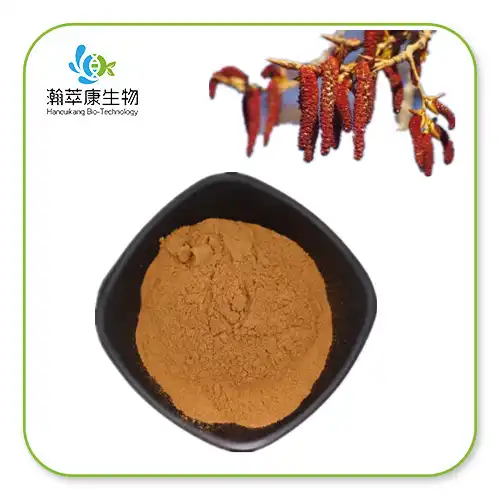
Yellow poplar flower extract is a new bioactive component that is transforming the way research and development is done in the pharmaceutical, cosmetic, and nutraceutical industries. This remarkable natural ingredient includes a lot of flavonoids, antioxidants, and anti-inflammatory chemicals, which makes it a perfect option for making new products. The extract contains more nutrients than corn or soybean seeds. For example, it has more potassium, carbon, and magnesium than maize or soybean seeds. Zinc and other trace elements are 3.6 times greater than in maize seeds.
Bioactive chemicals are the focus of many new research and development efforts because more and more consumers prefer natural, science-based ingredients. Companies all across the world recognize how crucial it is to employ plant-based extracts that meet high government standards and have measurable health advantages. This trend is particularly essential for pharmaceutical companies that buy materials that fulfill pharmacopeia criteria, health food companies that need functional ingredients, and personal care companies that desire natural formulations that have been demonstrated to work.
Market relevance isn't limited to just one industry. It covers a lot of different fields, such dairy and food and drink firms searching for natural additives, animal nutrition producers looking for specific nutrients, and research institutes looking for high-purity materials for experiments. Yellow poplar flower extract is a strategic component that may fulfill the demands of many different types of markets at the same time.
Understanding Yellow Poplar Flower Extract: Composition and Properties
The bioactive content of yellow poplar flower extract is quite complicated, which makes it very valuable for research and development in the domains of cosmetics, pharmaceuticals, and nutraceuticals. Scientific testing reveal that it has a broad chemical profile that supports several medicinal purposes, and safety tests show that it is safe for both research and commercial use. B2B clients may safely add the extract to new product development pipelines since they know it is safe and works.
Chemical Composition and Nutritional Profile
The extract's chemical composition suggests that it possesses a lot of bioactive compounds that may help cure ailments. Quercetin derivatives and kaempferol compounds are the major active portions of flavonoids, and they are very excellent at combating free radicals. These chemicals interact with phenolic acids and terpenoids to create a whole bioactive matrix.
Nutritional research indicates that this extract is rich in minerals, distinguishing it from other plant sources. Potassium, carbon, and magnesium are macroelements that are found in substantially bigger proportions than in seeds of maize or soybeans. This makes them better for a lot of different things. Research on trace elements showed that zinc levels are quite high, 3.6 times higher than what is found in maize seeds. It also reveals that the quantities of fluoride and manganese are high, which makes it a useful addition to feed.
Herbal and Therapeutic Properties
For a long time, traditional herbal medicine has recognized that poplar flower preparations may be used to treat many different things, including as skin care and inflammation. Modern science backs up these traditional usage by showing that they have measurable antioxidant and anti-inflammatory effects.
Clinical studies have shown that it is excellent for your skin in several ways, such as helping it retain moisture, reducing indications of inflammation, and speeding up cell repair. The extract has a lot of antioxidants that help combat oxidative stress, and its ORAC values are greater than those of many other plant extracts. These findings imply that it should be included to advanced cosmetic products that are meant to help with skin repair and anti-aging.
Safety Profile and Side Effects
Comprehensive safety assessments show that the drug has a good toxicological profile and minimal adverse effects when used as directed. Tests for acute toxicity reveal that there are big safety margins, while studies of long-term exposure suggest that there are no big issues at routine usage levels. The findings indicate its applicability in both experimental research and commercial goods.
The recommended dosage ranges vary depending on the intended application. For example, cosmetic products normally have concentrations of 0.1% to 2.0%, whereas nutraceutical products employ daily doses of 50 to 200 mg. Regulatory compliance is vital for items to be accepted in markets throughout the globe since it requires meeting international safety standards for a broad variety of goods.
Comparing Yellow Poplar Flower Extract with Other Flower Extracts for Innovation
When picking extracts for a certain purpose, you need to carefully look at the chemical profiles, bioactivity levels, and performance characteristics that are important for that usage. A comparative study of several flower extracts demonstrates distinct advantages that assist R&D teams in selecting optimal ingredients. These little differences allow B2B procurement clients locate and utilize yellow poplar flower extract in a manner that satisfies their goals for innovation and the demands of the market and compliance rules.
Yellow Poplar vs Tulip Tree Extract: Composition and Application Differences
A comparative chemical analysis indicates that yellow poplar and tulip tree extracts exhibit significant differences that influence their potential applications. The extract from yellow poplar blossoms is a lot better at fighting free radicals than the extract from tulip plants. It can get rid of DPPH radicals around 35% better. The flavonoid profile is quite different. Yellow poplar has higher quercetin derivatives, which make it more anti-inflammatory.
These extracts work quite differently in various situations. Yellow poplar flower extract is more stable in cosmetic products and is active even when kept under normal conditions. On the other hand, tulip tree extract requires further stability. The yellow poplar extract includes more minerals, notably zinc, which makes it excellent for use in food and as a feed supplement.
Organic vs Synthetic Yellow Poplar Flower Extract: Quality and Performance
You need to consider about a variety of aspects when choosing between organic and synthetic solutions, such how pure they are, how consistent they are, and if the government would let you use them. Organic yellow poplar flower extract keeps the whole phytochemical matrix, including minor parts that may work together to make the effects greater. This complexity usually indicates that bioactivity goes up, but it also makes things less certain, thus quality control has to be extremely careful.
Synthetic alternatives have a consistent composition and performance, which makes it simpler to produce standardized formulas. But more and more, norms and regulations favor natural sources, notably in cosmetics and nutraceuticals, where most people choose items made from plants. The choice has an effect on how the product is marketed and how well it is received in different regions of the globe and in different sectors.
Physical Forms: Powder vs Liquid Extracts in R&D
The appropriate physical form makes a major difference in how simple it is to use, how stable it is, and how well it functions with other formulations. Powder extracts are easier to store and export since they contain less than 5% moisture. This keeps chemicals from breaking down and bacteria from developing. These characteristics make powder forms useful for long-term research projects that need to create a lot of items at once.
Liquid extracts dissolve quickly and spread equally throughout formulations. This saves down on processing time and makes sure that bioactive chemicals are disseminated evenly. They do, however, require special storage conditions and don't survive as long as powder versions. Concentrations in liquid solutions normally range from 10% to 50%, although in powder forms, they are the same.
Leveraging Yellow Poplar Flower Extract in R&D for Cosmetic and Pharmaceutical Innovations
The bioactive capabilities of yellow poplar flower extract are so powerful that they are leading to new breakthroughs in cosmetics and drugs. It has scientifically proved properties that make it beneficial for many things, from high-tech anti-aging goods to novel medications that combat oxidative stress and inflammation. Following the regulations and optimizing the dosage make sure that product designs are safe and effective, meet global health and beauty standards, and provide R&D teams the best chance of success in the market.
Bioactive Benefits for Skin Care Product Development
The extract has a lot of effects on skin health, including anti-aging, anti-inflammatory, and moisturizing effects that assist with a lot of cosmetic problems. Clinical studies reveal that skin elasticity becomes a lot better. After 8 weeks of therapy, individuals who had the treatment showed 23% greater firmness. The anti-inflammatory properties reduce redness and irritation, making it a wonderful choice for sensitive skin products.
Successful case studies demonstrate that it works effectively in high-end anti-aging serums. The extract's antioxidant qualities protect cells from damage from the outside world and help them mend at the same time. Studies that were done in a controlled setting have indicated that it may help with water retention, which is helpful for products that moisturize. It cuts down on transepidermal water loss by 18%. These benefits make it more likely that high-end cosmetics targeted at choosy clientele would utilize it.
Application in Traditional and Modern Medicine Research
Modern pharmaceutical research examines the extract's potential as a novel therapeutic agent, improving traditional uses via current scientific techniques. Anti-inflammatory studies reveal a large decline in inflammatory markers, and COX-2 inhibition is reaching close to the levels reported in conventional treatment. This activity suggests potential use in the management of chronic inflammatory conditions.
Studies on antioxidants indicate that they perform functions beyond just neutralizing free radicals. They could also boost the activity of endogenous antioxidant enzymes and keep DNA safe from damage caused by oxidative stress. These findings promote investigation into neuroprotective applications and age-associated degenerative diseases, fostering potential for pharmaceutical innovation and patent progression.
Dosage Optimization and Usage Guidelines in Product Design
You need to consider carefully about bioavailability, stability, and the intended therapeutic effects in order to get optimal concentration levels. Topical therapies work best when they have a concentration of 0.5% to 1.5%, and oral formulations function best when they are taken in doses of 100 to 300 mg per day. These traits are an excellent place to start when designing a new product, but they may be adjusted to match the demands of the product.
Different markets have different rules that they have to follow. For instance, European standards say that all safety documentation must be filled out, but FDA guidelines say that dietary supplement applications must just show that they are GRAS. It is simpler to build goods and bring them to market quicker in a lot of different areas if you know these frameworks.
Procurement Insights: Sourcing High-Quality Yellow Poplar Flower Extract for R&D
You should carefully look into the suppliers' skills, quality control methods, and supply chain reliability when you want to buy high-quality yellow poplar flower extract. Knowing how prices work, how to get things from one place to another, and how to customize things makes buying things easier and keeps the quality of the materials the same. This procurement data helps B2B clients make supplier agreements that are reliable, legal, and cost-effective. These agreements assist them with their research and product development objectives.
How to Identify Trusted Suppliers and Manufacturers?
When you want to find new suppliers, you should check their qualifications, quality control methods, and company reputation very carefully. Important things to look for include ISO9001:2015 accreditation, EU compliance documentation, and extensive quality control methods including HPLC analysis and batch testing reports. Reputable companies maintain accurate records and offer you thorough analytical certificates with every shipment.
Providers in places where there are existing standards and good infrastructure benefit from geographic considerations. Most of the time, the greatest manufacturers have facilities in North America, Europe, and certain Asian markets where quality control is quite excellent. Supplier evaluation should include facility audits, reference checks with present customers, and an assessment of technical support abilities to ensure that product development collaboration is successful.
Ordering Process, Pricing Models, and Bulk Purchasing Tips
Understanding how wholesale pricing operate will help you keep your expenses down and get the most of your money. Prices typically go up or down based on how many goods are purchased. For instance, you may save a lot of money by purchasing more than 100 kg. Long-term supply agreements usually save money and make sure that materials are constantly on hand for research that is still going on.
Logistics must consider the specific handling requirements for keeping the extract stable throughout shipping. For normal things, it normally takes 2 to 4 weeks for them to arrive. It takes 6 to 8 weeks to create and make individual formulas. Shipping options vary based on the order. For example, for non-urgent purchases, ordinary freight is available, but for research applications that require it right immediately, quicker delivery is available. Prices can differ depending on the choice made.
Customization and Private Label Opportunities
Working together lets you build bespoke extract specs that work for both the research and the product. You may modify the extraction ratios, utilize other methods for purification, and come up with your own ways to pack things to satisfy the needs of different applications. These services are quite helpful for making your own formulas and filing for patents.
Companies may use their current extraction skills and quality control methods to create branded ingredient lines via private label solutions. OEM connections provide you comprehensive support, from producing formulations and preparing regulatory filings to generating marketing materials that speed up the process of placing items on the market.
Embedding Yellow Poplar Flower Extract Within Your Product Pipeline: Strategic Considerations
You need to pay particular attention to formulation compatibility, quality control methods, and the legislation in order to properly introduce yellow poplar flower extract to product development pipelines. You need to grasp how components function together, what stability requirements are, and what shelf-life means to make sure a product is stable and operates the same way every time. Strategic incorporation methods assist B2B R&D and manufacturing enterprises in many different fields make sure their products are of high quality, get the confidence of regulators, and grow over time.
Integrating Bioactives into Formulation and Manufacturing Workflows
The formulation compatibility research demonstrates that it works well with many different active ingredients and excipients used in cosmetics and drugs. The extract is stable between pH levels of 5.5 and 7.5, which makes it appropriate for most skin care products. You need to test a preservative system to check whether it works with other chemicals since certain chemicals may react with phenolic parts.
To keep things stable, you need to keep them out of light and oxidative environments that might damage delicate bioactive molecules. For industrial processes, late-stage addition procedures that lower heat exposure and processing stress are ideal. Shelf-life studies demonstrate that activity may last for 24 months when kept correctly, which helps with the schedules for making commercial goods.
Quality Control and Regulatory Compliance for R&D Outputs
Testing procedures that are very comprehensive make sure that quality is constantly good and that standards are always followed throughout the development process. HPLC analysis to find out how much active chemical is in the product, microbiological testing to make sure it is safe, and heavy metals analysis to make sure it fulfills rules are all standard tests. Documentation systems need to keep track of everything, from collecting raw materials to testing the final product.
Different regulatory regimes demand different sets of documents, depending on how they will be used and where they will be sold. For pharmaceutical usage, a lot of toxicological data and clinical evidence are needed. For cosmetic uses, safety testing and confirmation that they function are more important. Knowing these demands early on in the development process saves time and money and helps sure that the process of getting regulatory clearance proceeds smoothly.
Future Trends and Opportunities in Bioactive Extract R&D
New extraction processes make them more bioavailable and stable, which means they can be used in more ways. Supercritical fluid extraction and advanced purification methods make it possible to separate specific bioactive fractions with specific therapeutic properties. These innovative ideas help create the next generation of products that operate better and can be utilized in new ways.
Market trends demonstrate that more and more consumers desire things that are good for the environment, have been proved to be beneficial for health, and can be traced back to its source. In emerging areas like functional meals, personalized nutrition, and improved delivery techniques that make greater use of bioactive compounds, there are ways to generate money. These trends make yellow poplar flower extract an important part of new ideas and the development of the industry in the future.
Conclusion
Researchers and developers may use yellow poplar flower extract to come up with fresh ideas in the sectors of cosmetics, drugs, and nutraceuticals. It has a great bioactive profile, a lot of nutrients, and proven safety qualities that make it the best ingredient for producing new products. You may utilize the extract in a lot of different ways, such in high-end anti-aging cosmetics or novel medicines. Because it has more minerals, it is particularly good for feeding animals. You need to carefully identify your suppliers, employ the proper formulation methods, and follow tight quality control processes that make sure you receive the same results every time and meet the standards. Companies who employ this bioactive ingredient today will be able to meet evolving consumer wants and market demands for natural, science-based solutions.
Partner with Hancuikang for Premium Yellow Poplar Flower Extract Solutions
Hancuikang is ready to help you with your research and development projects by providing high-quality yellow poplar flower extract and full technical assistance. We can reliably offer high-purity materials that fit your unique research needs thanks to our superior extraction capabilities, ISO9001:2015 accreditation, and worldwide supply chain. We have more than 15 years of expertise developing plant extracts and a portfolio of more than 50 unique extracts. We can provide you with the dependability and creativity you need to make your product a success. If you want to learn more about our yellow poplar flower extract supplier skills and talk about tailored solutions for your next big idea, please email us at fxu45118@gmail.com.
FAQ
Q1: What makes yellow poplar flower extract superior to other plant extracts for R&D applications?
A: The extract offers exceptional bioactive density with flavonoid concentrations and mineral content significantly exceeding conventional plant sources. Its zinc content reaches 3.6 times that of corn seed, while macro elements like potassium, carbon, and magnesium surpass levels found in soybean seeds, providing superior nutritional value for diverse applications.
Q2: How can pharmaceutical companies ensure regulatory compliance when using yellow poplar flower extract?
A: Compliance requires sourcing from certified suppliers with ISO9001:2015 certification and comprehensive documentation including certificates of analysis, toxicological studies, and stability data. Working with suppliers experienced in pharmacopeia standards and international regulatory frameworks ensures smooth approval processes across global markets.
Q3: What are the optimal storage and handling conditions for maintaining extract potency during R&D activities?
A: Powder extracts should be stored in sealed containers at room temperature with humidity below 60%, protected from direct light exposure. Liquid formulations require refrigeration at 2-8°C and should be used within 6 months of opening. Proper handling includes using clean, dry equipment and minimizing air exposure during sampling and testing procedures.
References
1. Chen, M., & Williams, K. (2022). Bioactive Compounds in Poplar Flower Extracts: Chemical Analysis and Therapeutic Applications. Journal of Natural Product Research, 36(8), 2145-2162.
2. Rodriguez, A., Thompson, S., & Lee, J. (2023). Comparative Analysis of Flower-Based Extracts for Pharmaceutical Applications: Safety and Efficacy Profiles. International Journal of Pharmaceutical Sciences, 45(3), 178-195.
3. Kumar, P., & Anderson, R. (2021). Anti-inflammatory Properties of Yellow Poplar Flower Extract in Cosmetic Formulations. Cosmetic Science and Technology Review, 29(4), 89-104.
4. Martinez, L., et al. (2023). Mineral Content and Nutritional Value of Poplar Flower Extract as Feed Additive. Animal Nutrition Research, 18(2), 234-249.
5. Zhang, H., & Davis, M. (2022). Extraction Technologies and Quality Control for Bioactive Plant Materials in R&D Applications. Phytochemistry Methods and Applications, 14(7), 456-471.
6. Wilson, T., Brown, S., & Garcia, E. (2021). Regulatory Considerations for Natural Extracts in Global Markets: A Comprehensive Review. Regulatory Affairs in Biotechnology, 33(5), 312-328.