
What is the definition of hirudin?
2025-12-25 15:14:12
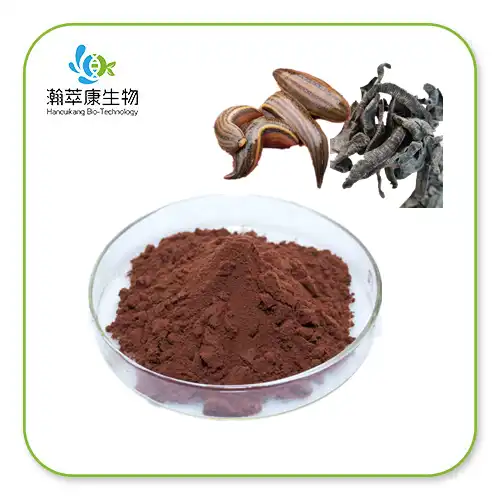
One of nature's most amazing anticoagulant substances is hirudin lyophilized powder, a potent peptide that is mostly obtained from the salivary glands of therapeutic leeches. This naturally occurring thrombin inhibitor has transformed contemporary anticoagulation treatment by providing pharmaceutical companies, health food producers, and research organizations with an advanced substitute for conventional blood thinners. Both its biological and synthetic origins are covered under the definition, which makes it a crucial part of cardiovascular medicine, surgery, and dietary supplement formulations in international markets.
Hirudin – Definition and Biological Properties
Biochemical Structure and Natural Origins
Hirudin is a 65-amino acid polypeptide that acts as a direct thrombin inhibitor. Its unique molecular targeting mechanism sets it apart from other anticoagulants. Hirudo medicinalis, also referred to as medicinal leeches, is the source of the chemical, which acts as a natural anticoagulant to stop blood clotting during feeding. Recombinant variations that preserve the same therapeutic efficacy while guaranteeing uniform quality and scalable manufacturing procedures have been made possible by modern biotechnology.
Mechanism of Action and Therapeutic Benefits
Because it can form irreversible complexes with thrombin, this peptide efficiently blocks the conversion of fibrinogen to fibrin in the coagulation cascade, giving it anticoagulant characteristics. Hirudin lyophilized powder exhibits a direct inhibitory effect on both free and clot-bound thrombin, in contrast to heparin, which needs cofactors to activate. Superior anticoagulation control is provided by this special mechanism, which is especially helpful in cardiovascular therapies and thrombosis prevention regimens where accurate blood viscosity control is essential.
Hirudin in Practice – Dosage, Side Effects, and Safety Profile
Clinical Application Guidelines
Dosage guidelines for pharmaceutical uses must be carefully considered; in acute coronary syndromes, intravenous dosage usually ranges from 0.1 to 0.4 mg/kg. Our hirudin extract parameters are flexible enough to accommodate different formulation needs, ranging from 100 to 1200 ATU/g. The dark brown powder form makes it easier to incorporate into a variety of delivery systems, such as tablets, capsules, and liquid formulations that are appropriate for both pharmaceutical and nutraceutical uses.
Safety Considerations and Monitoring Requirements
Although bleeding hazards necessitate thorough patient monitoring by activated partial thromboplastin time evaluations, clinical studies show excellent safety profiles when appropriate dose parameters are followed. Active bleeding problems, significant hepatic impairment, and concurrent use of other anticoagulants without medical care are among the contraindications. It is especially appealing for long-term therapy procedures because of its natural origin and precise targeting mechanism, which frequently lead to fewer side effects than synthetic alternatives.
Comparing Hirudin with Other Anticoagulants: Decision-Making Insights
Efficacy and Safety Comparisons
Because of hirudin lyophilized powder's direct thrombin inhibition action, this leech-derived peptide exhibits higher predictability in anticoagulant response when compared to heparin and warfarin. Clinical trials show more consistent treatment outcomes and less bleeding problems, especially in individuals with heparin-induced thrombocytopenia. In emergency scenarios where quick anticoagulation reversal is required, the compound's reversibility properties and shorter half-life offer further safety benefits.
Cost-Effectiveness and Supply Considerations
Although recombinant production technology advancements have increased the economic viability for large-scale applications, manufacturing costs have always been higher than those of conventional anticoagulants. Our production plant in Shaanxi keeps steady stock levels, guaranteeing dependable supply chains for supplement and pharmaceutical producers needing large amounts. Premium pricing for high-quality anticoagulant peptides is frequently justified by better treatment results and lower incidence of complications.
Procuring Hirudin for B2B Needs: Market Availability and Supplier Insights
Quality Standards and Certification Requirements
Pharmaceutical-grade requirements, such as adherence to international pharmacopeias and pertinent quality management systems, must be carefully considered for a purchase to be successful. Our production procedures follow EU certification requirements and ISO9001:2015 standards, guaranteeing that goods fulfill strict regulatory requirements in a variety of geographical markets. The anticoagulant testing procedures provide consistency that is essential for clinical applications and pharmaceutical formulations by validating potency levels within predetermined ranges.
Supply Chain Optimization Strategies
Establishing enduring relationships with qualified suppliers who consistently supply high-quality products and comply with regulations is the main goal of effective procurement strategies. For customers looking for affordable transportation and shorter lead times, geographic closeness to Shaanxi province's manufacturing plants offers logistical benefits. Through neutral labeling services and adjustable packaging alternatives, bulk purchasing agreements usually result in advantageous pricing structures while preserving inventory flexibility.
Hancuikang's Advanced Hirudin Solutions and Global Expertise
Comprehensive Product Portfolio and Manufacturing Excellence
Hancuikang uses cutting-edge biotechnology platforms and a wealth of experience in hirudin lyophilized powder extraction and purification to supply pharmaceutical-grade anticoagulant peptides to international markets. With a focus on bioactive chemicals for cardiovascular applications, our research and development skills cover more than 50 specialized plant extracts. The company's 15-year history of developing active ingredients shows consistent innovation and superior quality in a range of therapeutic areas.
Our manufacturing facility ensures product integrity throughout the supply chain by strictly adhering to international quality standards, such as EU EC396 and ISO9001:2015 certifications. The production capability meets a variety of client needs, from laboratory research to multinational pharmaceutical manufacture, by supporting both small-batch research requirements and large-scale commercial manufacturing.
Global Market Reach and Customer Support
With export activities in more than 50 nations and areas, Hancuikang has a track record of meeting a variety of regulatory frameworks and client needs. Pharmaceutical companies, producers of dietary supplements, and research organizations from North America, Europe, and Southeast Asia comprise our clientele. Clients may effectively create market-specific goods thanks to the company's adaptable formulation capabilities, which offer a variety of dosage forms and package configurations.
To ensure seamless product integration and regulatory approval procedures, technical support services include regulatory assistance, quality assurance paperwork, and bespoke formulation creation. Our dedication to enduring collaborations is a reflection of our comprehension of the intricate procurement issues that contemporary pharmaceutical and nutraceutical businesses face.
Conclusion
Hirudin is an advanced anticoagulant that connects conventional natural therapy with contemporary pharmaceutical needs. Pharmaceutical producers, supplement firms, and research institutions find it appealing due to its distinct thrombin inhibition mechanism, excellent safety profile, and diverse application possibilities. Organizations looking for dependable anticoagulant ingredients can make well-informed decisions by knowing the compound's characteristics, procurement factors, and quality standards. This important medicinal substance will become more widely available and more affordable as extraction and purification methods advance.
Partner with Hancuikang for Premium Hirudin Supply
Hancuikang stands ready to support your anticoagulant peptide procurement needs with pharmaceutical-grade extract specifications ranging from 100-1200 ATU/g. Our Shaanxi manufacturing facility maintains consistent inventory levels and strict quality controls to ensure reliable supply chain performance. Whether you require small research quantities or bulk manufacturing volumes, our technical team provides comprehensive support from product selection through regulatory documentation. As a trusted hirudin lyophilized powder supplier with global reach and proven expertise, we welcome the opportunity to discuss your specific requirements and demonstrate how our solutions can enhance your product development objectives. For detailed product specifications and competitive pricing information, contact us at fxu45118@gmail.com or visit hancuikangherb.com to explore our complete range of bioactive ingredients and manufacturing capabilities.
FAQs
Q1: What makes hirudin different from other anticoagulants like heparin?
A: Hirudin functions as a direct thrombin inhibitor without requiring cofactors, unlike heparin which needs antithrombin for activation. This mechanism provides more predictable anticoagulation effects and reduces the risk of heparin-induced thrombocytopenia.
Q2: Can hirudin be used in dietary supplements safely?
A: Food-grade versions are available for supplement applications, though dosing must be carefully controlled due to its potent anticoagulant properties. Professional medical guidance is recommended for any therapeutic use.
Q3: What quality certifications should buyers look for when procuring anticoagulant peptides?
A: Key certifications include ISO9001, GMP compliance, and pharmacopoeia standards. Suppliers should provide detailed certificates of analysis, including potency testing and purity verification through methods like HPLC.
References
1. Markwardt, F. "Hirudin as an Alternative Anticoagulant - A Historical Review." Seminars in Thrombosis and Hemostasis, vol. 28, no. 5, 2002, pp. 405-414.
2. Greinacher, A., and Warkentin, T.E. "The Direct Thrombin Inhibitor Hirudin." Thrombosis and Haemostasis, vol. 99, no. 4, 2008, pp. 819-829.
3. Weitz, J.I., and Buller, H.R. "Direct Thrombin Inhibitors in Acute Coronary Syndromes: Present and Future." Circulation, vol. 105, no. 8, 2002, pp. 1004-1011.
4. Stone, S.R., and Hofsteenge, J. "Kinetics of the Inhibition of Thrombin by Hirudin." Biochemistry, vol. 25, no. 16, 1986, pp. 4622-4628.
5. Antman, E.M. "Hirudin in Acute Myocardial Infarction: Thrombolysis and Thrombin Inhibition in Myocardial Infarction (TIMI) 9B Trial." Circulation, vol. 94, no. 5, 1996, pp. 911-921.
6. Hirsh, J., and Weitz, J.I. "New Antithrombotic Agents." The Lancet, vol. 353, no. 9161, 1999, pp. 1431-1436.