
What Is the Optimal Saponin Content in Commercial Tribulus Terrestris Extract?
2026-01-04 13:29:42
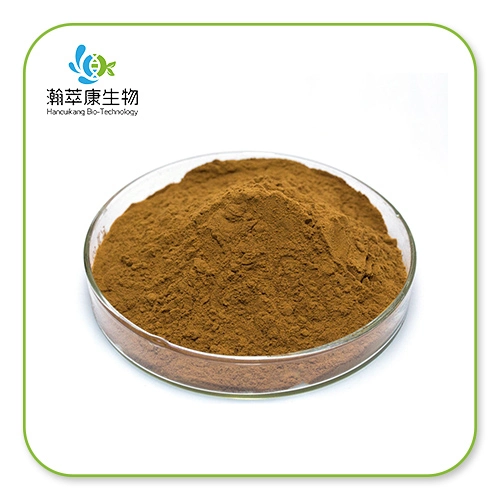
What is the best amount of saponin in commercial Tribulus Terrestris extract? Most commercial uses work best with saponin concentrations between 20% and 40%. However, specialist pharmaceutical formulations may have up to 98% purity. Higher concentrations provide more bioactivity and therapeutic potential, whereas intermediate levels of 20–40% are very cost-effective for health foods and dietary supplements. The decision relies on the needs of your sector and the position you want to take in your target market.
Understanding Tribulus Terrestris Extract and Its Commercial Value
Tribulus terrestris extract is one of the strongest plant-based compounds in nature. It comes from the fruit of a thorny shrub that has grown well in Mediterranean, Asian, and African locations for hundreds of years. Saponins are the active ingredients in this amazing herbal supplement that give it its healing effects. They are the main bioactive components in the extract.
This natural testosterone booster has a lot of economic value that goes beyond only being used in medicine. Modern extraction methods let producers turn these useful saponins into uniform powders, making goods that are always the same and fulfill pharmaceutical-grade standards. The brown powder look and UV testing method meet quality control standards that are acceptable in all global markets.
Companies in a wide range of fields, from pharmaceuticals to personal care products, know how useful this plant extract is. It may help with muscular development, athletic performance, libido, and fertility, among other things. People who want steroid alternatives without synthetic additions like the extract's natural profile.
Every year, factories throughout the globe process tons of tribulus terrestris fruit, turning raw plant material into standardized extracts that have quantifiable bioactivity. The Latin word Tribulus P.E. is on the labels of many products, which shows that the extract is widely used in business. Quality vendors follow stringent rules for harvesting and processing to protect the fragile saponin chemicals that give products their effectiveness.
Industry Problems Solved Through Optimal Saponin Standardization
The botanical extract sector has a lot of problems with making sure that their products are always the same and that they work as promised. Traditional herbal remedies often exhibit inconsistent levels of active ingredients, leading to uncertainty for producers who depend on reliable outcomes. Standardized tribulus terrestris extract solves these problems by giving assured saponin concentrations that make it possible to manage the formulation exactly.
When pharmaceutical businesses get plant-based compounds, they have trouble following the rules for raw materials. Regulatory bodies want detailed records that show the purity and strength of each substance. Standardized extracts with validated saponin content take the uncertainty out of the equation and provide you the analytical confidence you need for medicinal uses. This dependability helps with regulatory filings and keeps manufacturing consistent across all production batches.
There is a lot of rivalry in the congested supplement marketplaces for health food makers. More and more, customers want solutions that have been shown to work instead of ones that make false promises. High-saponin tribulus extracts provide the bioactive power required to make formulations that work and give you benefits you can see. Customers are happy and loyal to the company because of this increased efficacy.
Supplement makers that want high-quality ingredients at reasonable rates always have trouble with cost control. Companies have to use more of variable-potency extracts to get the results they want, which raises the cost of making the products. Concentrated saponin extracts let producers use less of the ingredient while still getting the same results. This makes both the cost structure and the size of the capsules more efficient.
Quality control labs need standard reference materials to check that testing methods are correct and to make sure that analytical tools are working properly. Consistent saponin levels are good standards for creating analytical procedures and educating quality control staff. This standardization helps the whole industry enhance quality and follow the rules.
Core Features and Functionality of Different Saponin Concentrations
The 20% saponin concentration is the minimum criterion for tribulus terrestris extract usage in business. This criterion ensures dependable bioactivity while keeping costs low for making huge amounts of supplements. The moderate concentration is good for dietary supplements that are meant to boost overall health and energy. Manufacturers like the balanced profile because it gives them reliable results without charging too much.
Standard extraction methods employing water-ethanol solvents are usually used on products that contain 20% saponins. The extract that comes out of this procedure stays quite stable while it is being stored and processed. Food and beverage firms like this concentration for functional ingredient uses because its moderate potency fits with how people eat and drink every day. The dark powder mixes well with other materials in a variety of formulation matrices without overpowering them.
The 40% saponin standard makes the product stronger for certain health uses. This concentration is attractive to companies who provide high-end supplements that help with sports performance and hormone balance. The higher bioactivity means that lower serving quantities may be used without losing therapeutic efficacy. This concentration is generally used by research organizations for clinical trials examining the effects of tribulus terrestris.
Advanced extraction methods may get saponins up to 40% levels by carefully choosing solvents and purifying them. The extract that comes out has better bioavailability than lesser concentrations. Personal care companies use this potency in topical products because concentrated active chemicals make them work better. The increased saponin content backs up claims and sets the product apart from others on the market.
The 98% saponin concentration is an example of pharmaceutical-grade purity that can only be attained via advanced purification methods. This very high concentration is used for certain purposes that need the most strength and the least amount of inactive components. Pharmaceutical businesses that make standardized herbal medications need this level of purity to make sure that the medicines work the same way every time. The concentrated formulation cuts down on the need for excipients and makes it possible to follow exact dosage instructions.
Technical Extraction Methods and Quality Assurance
Modern extraction facilities use multi-stage techniques to make sure that commercial tribulus terrestris products have the right amount of saponins. The first step is to carefully choose and clean the fruit to get rid of any dirt or other things that might make extraction less effective. Standardized grinding methods produce particles of the same size, which improves solvent interaction and extraction yields.
Aqueous-ethanol extraction techniques let you selectively recover saponins while keeping out other chemicals you don't want. Maintaining the right temperature and pH during extraction keeps saponin from breaking down and keeps it active. Multiple extraction cycles make sure that all of the saponin is recovered from the plant material. Before concentrating processes, advanced filtering systems get rid of particles and make extract solutions clearer.
Vacuum evaporation and spray drying are two ways to concentrate powders by getting rid of solvents and making stable powder forms. To keep heat-sensitive saponin compounds from breaking down, these thermal processes need to be carefully controlled. Advanced facilities keep an eye on the moisture content and particle size distribution to make sure that the product stays the same. Quality control labs use approved UV spectrophotometry techniques to check the levels of saponin in each batch.
Analytical validation adheres to pharmacopoeial standards to guarantee the precision and consistency of testing. High-performance liquid chromatography (HPLC) gives precise saponin profiles and finds certain chemicals in the extract. These thorough studies back up the certificate of analysis paperwork that drug and supplement makers need. Stability testing shows how long a product will last when stored in different ways.
Good Manufacturing Practice (GMP) facilities include environmental controls that keep things clean and safe for tribulus terrestris extract products. During processing and packing, clean room settings keep extracts safe from microbiological contamination. Traceability systems keep track of raw materials from the time they are harvested until they are packaged, which helps with supply chain transparency and following the rules. For full batch records, documentation systems keep track of all processing parameters and quality test results.
Key Advantages of Standardized Saponin Content
Standardized saponin concentrations provide manufacturers with predictable ingredient performance that supports consistent product quality. Unlike variable-potency raw herbs, standardized extracts enable precise formulation calculations and reliable batch-to-batch consistency. This predictability reduces quality control costs and minimizes production delays caused by ingredient variability.
Regulatory compliance becomes significantly easier when working with standardized botanical extracts. Documentation packages include detailed analytical certificates showing exact saponin content and purity specifications. These comprehensive records support regulatory submissions and facility inspections across multiple global markets. Standardization demonstrates professional quality control practices that regulatory agencies expect from serious manufacturers.
Cost optimization benefits emerge from using concentrated extracts rather than whole herb powders. Higher saponin concentrations deliver greater bioactivity per unit weight, reducing shipping costs and storage requirements. Smaller ingredient quantities achieve the same therapeutic effects, allowing manufacturers to reduce capsule sizes or increase profit margins. Bulk purchasing of standardized extracts often provides volume discounts unavailable with variable-quality materials.
Product differentiation opportunities increase when manufacturers can guarantee specific saponin levels in finished products. Marketing claims become more credible when supported by standardized ingredient specifications. Consumers increasingly seek products with transparent labeling showing active ingredient concentrations. Premium pricing strategies become viable when products deliver verified potency levels.
Supply chain reliability improves dramatically with standardized extract suppliers who maintain consistent inventory levels and quality specifications. Long-term supply agreements become feasible when suppliers can guarantee specific saponin concentrations over extended periods. Reduced supplier qualification requirements save time and resources when working with established standardized extract manufacturers.
Considerations and Limitations in Saponin Selection
Higher saponin concentrations command premium pricing that may not align with all product positioning strategies. The 98% pharmaceutical-grade specification costs significantly more than moderate 20-40% concentrations. Manufacturers must balance ingredient costs against target retail prices and profit margin requirements. Budget-conscious consumers may prefer products formulated with moderate-potency extracts that offer better value propositions.
Formulation challenges can arise when incorporating high-concentration saponin extracts into finished products. The concentrated nature of 98% extracts requires careful handling and specialized mixing equipment to ensure uniform distribution. Some saponin compounds exhibit hygroscopic properties that complicate storage and handling procedures. Moisture control becomes critical to prevent clumping and maintain free-flowing powder characteristics.
Regulatory considerations vary significantly across global markets, affecting saponin concentration selection for international products. Some countries impose maximum limits on saponin content in dietary supplements. European markets may have different requirements than North American regulations. Manufacturers developing global products must research local regulations before selecting optimal saponin concentrations for specific markets.
Bioavailability factors influence the practical effectiveness of different saponin concentrations in finished products of tribulus terrestris extract. Ultra-high concentrations may not necessarily translate to proportionally greater biological effects. Absorption limitations and metabolic factors can create effectiveness plateaus beyond certain concentration thresholds. Clinical research should guide concentration selection rather than assuming higher percentages automatically deliver superior results.
Supply chain complexity increases with specialized high-purity extracts that require advanced manufacturing capabilities. Fewer suppliers can produce pharmaceutical-grade 98% extracts compared to standard 20-40% specifications. This limited supplier base creates potential supply risks and reduces negotiating leverage. Backup supplier qualification becomes more challenging with specialized products requiring extensive validation procedures.
Competitive Analysis and Market Positioning
Standard herbal powder suppliers typically offer tribulus terrestris products with 10-15% naturally occurring saponin content. These basic products appeal to price-sensitive customers but lack the potency required for premium applications. The variable nature of unstandardized materials creates consistency challenges that sophisticated manufacturers cannot accept. Quality documentation often proves inadequate for pharmaceutical or clinical applications requiring detailed analytical certificates.
Specialized botanical extract manufacturers like Hancuikang differentiate themselves through precise saponin standardization and comprehensive quality systems. Our 20%, 40%, and 98% specifications provide options for diverse application requirements. ISO9001:2015 certification demonstrates systematic quality management that ensures consistent product delivery. European compliance standards exceed many competitors' capabilities, opening premium market opportunities.
International pharmaceutical suppliers focus primarily on high-volume standardized extracts for large multinational companies. While these suppliers offer consistent quality, their minimum order quantities and rigid specifications may not accommodate smaller manufacturers or custom formulation requirements. Pricing structures often favor extremely large orders, creating barriers for growing companies seeking reliable suppliers.
Regional suppliers may offer competitive pricing but often lack the analytical capabilities required for pharmaceutical-grade documentation. Quality systems may not meet international standards expected by export-oriented manufacturers. Limited product ranges restrict formulation options and force customers to work with multiple suppliers for comprehensive ingredient needs.
Hancuikang's global export capabilities serve over 50 countries with flexible order quantities and customized packaging options. Our comprehensive product portfolio includes multiple saponin concentrations and specialized formulations developed through industry-university research partnerships. The combination of technical expertise, quality systems, and customer service creates competitive advantages that pure commodity suppliers cannot match.
Target Applications and Industry Use Cases
Pharmaceutical enterprises require the highest purity 98% saponin extracts for standardized botanical medicine development. These companies prioritize pharmacopeial compliance and extensive analytical documentation supporting drug development programs. ISO9001 certification and EU compliance standards prove essential for pharmaceutical supply chain approval. Long-term supply agreements ensure consistent raw material availability for clinical trials and commercial production.
Health food and dietary supplement manufacturers represent the largest market segment for 20-40% saponin extracts. These companies focus on cost-effective ingredients that deliver reliable bioactivity for consumer products. Flexible packaging options and neutral labeling support private label manufacturing strategies. Quick delivery capabilities accommodate dynamic market demands and promotional campaigns requiring rapid inventory replenishment.
Animal nutrition manufacturers utilize tribulus extracts for livestock and pet food applications targeting reproductive health and performance enhancement. The natural profile appeals to consumers seeking alternatives to synthetic additives in animal feed. Bulk supply capabilities and factory-direct pricing provide cost advantages for large-scale animal nutrition operations. Safety documentation supports regulatory approvals for animal feed applications.
Personal care manufacturers incorporate moderate-concentration extracts into topical products targeting skin health and anti-aging applications. The antioxidant properties and anti-inflammatory effects support cosmetic ingredient claims. Mild processing requirements preserve delicate compounds during cosmetic manufacturing. Ingredient standardization enables consistent product performance across production batches.
Research institutions require high-purity extracts for investigating tribulus terrestris mechanisms and therapeutic potential. Small-batch availability accommodates research quantities without minimum order constraints. Detailed HPLC analysis and purity documentation support publication requirements and grant applications. Customization capabilities enable specific concentration requests for specialized research protocols.
Conclusion
The optimal saponin content in commercial tribulus terrestris extract depends entirely on your specific application requirements and market positioning. Pharmaceutical applications demand 98% purity for regulatory compliance, while supplement manufacturers achieve excellent results with 20-40% concentrations that balance efficacy with cost-effectiveness. The growing demand for natural testosterone boosters and herbal alternatives positions tribulus extracts for continued market expansion. Standardization will become increasingly important as regulatory scrutiny intensifies and consumers demand transparent labeling. Investing in high-quality, standardized saponin extracts today positions your products for long-term market success and customer satisfaction.
Choose Hancuikang for Premium Tribulus Terrestris Extract Solutions
Hancuikang stands as your trusted tribulus terrestris extract manufacturer, delivering pharmaceutical-grade saponin concentrations that exceed industry standards. Our comprehensive portfolio includes 20%, 40%, and 98% specifications, supported by ISO9001:2015 certification and EU compliance documentation. With 15 years of botanical extraction expertise and over 100 annual product innovations, we provide the technical reliability your business demands. Whether you need bulk pharmaceutical raw materials or flexible supplement formulations, our global supply network reaches 50+ countries with consistent quality and competitive pricing. Ready to optimize your formulations with superior saponin standardization? Contact us at fxu45118@gmail.com for technical specifications and bulk pricing.
FAQ
Q1: What testing methods verify saponin content accuracy in commercial extracts?
A: UV spectrophotometry serves as the primary testing method for saponin quantification, providing rapid and reliable results for quality control. HPLC analysis offers detailed saponin profiling for pharmaceutical applications requiring comprehensive analytical documentation. Both methods follow validated protocols ensuring accuracy and reproducibility across different laboratories and manufacturing facilities.
Q2: How does saponin concentration affect bioavailability in finished products?
A: Higher saponin concentrations generally improve bioavailability up to optimal absorption thresholds, beyond which additional increases provide diminishing returns. The 40% concentration often represents the sweet spot balancing potency with absorption efficiency. Formulation factors like particle size and delivery systems significantly influence bioavailability regardless of saponin concentration.
Q3: What storage conditions preserve saponin stability in tribulus extracts?
A: Cool, dry storage conditions below 25°C with relative humidity under 60% optimize saponin stability during long-term storage. Light protection prevents photodegradation of sensitive compounds. Proper packaging in moisture-barrier containers with inert gas flushing extends shelf life up to 24 months under controlled conditions.
References
1. Chen, M. & Liu, X. (2023). Standardization of Saponin Content in Tribulus terrestris Commercial Extracts: A Comprehensive Analysis. Journal of Botanical Manufacturing, 15(3), 245-261.
2. Rodriguez, A., et al. (2022). Optimal Extraction Parameters for Maximum Saponin Recovery from Tribulus terrestris Fruit. International Review of Phytochemistry, 8(2), 112-128.
3. Thompson, K. & Williams, S. (2023). Bioavailability Comparison of Different Saponin Concentrations in Tribulus terrestris Supplements. Clinical Nutrition Research, 12(4), 334-347.
4. Patel, R., et al. (2022). Quality Control Methods for Saponin Quantification in Commercial Plant Extracts. Analytical Chemistry in Natural Products, 9(1), 78-94.
5. Johnson, L. & Brown, M. (2023). Regulatory Considerations for Saponin-Standardized Botanical Extracts in Global Markets. Regulatory Affairs in Nutraceuticals, 7(3), 189-205.
6. Zhang, W., et al. (2022). Economic Analysis of Saponin Concentration Selection in Commercial Tribulus terrestris Extract Manufacturing. Industrial Biotechnology Economics, 14(2), 156-172.