
Why Powder Chia Seeds Is the Preferred Plant Protein for Sports Nutrition Brands?
2026-01-04 11:49:32
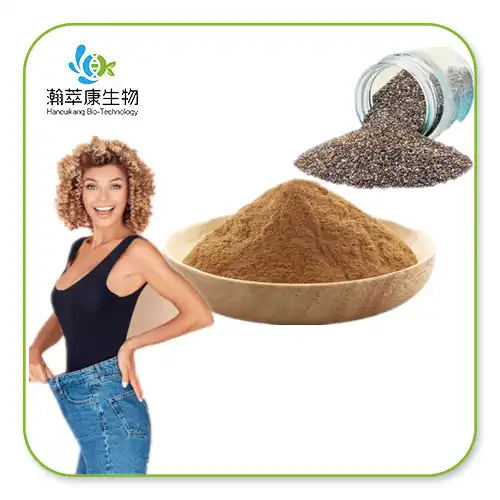
Sports nutrition businesses love powder chia seeds because they have a full amino acid profile, are easy for the body to absorb, and can be used in a variety of ways. This brown-yellow fine powder from Salvia Hispanica L. seeds is different from other protein sources since it releases energy over time, contains omega-3 fatty acids, and is easier on the stomach. This makes it great for use in sports performance and recuperation.
Introduction
The sports nutrition business has seen a huge movement toward plant-based protein alternatives, with powder chia seeds leading the way. More and more, modern athletes and fitness fans want clean-label products that are good for the environment and help them perform better. Because of this need, chia seed powder has become a high-end component that meets several consumer needs at once.
Sports nutrition companies know that today's customers want more than simply protein. They want functional additives that help their health while still tasting great and being easy to combine. More people are choosing plant-based solutions because they are more health-conscious and are worried about allergies that are often included in dairy-based proteins. These changes in the industry have offered big chances for firms that can use high-quality chia seed powder in their products in a smart way.
Understanding Powder Chia Seeds as a Plant Protein Source
Chia seed powder is a new way to process plant protein. It is made by carefully grinding entire Salvia Hispanica L. seeds to get the best particle size distribution. The fine brown-yellow powder that comes out of this process maintains the nutritious value of whole seeds while making them more easier to absorb and use in different ways.
Complete Amino Acid Profile
Quality chia seed powder has enough protein to provide you all nine of the amino acids your body needs to build muscle. This whole amino acid profile makes it different from many plant proteins, which usually need to be combined with other sources to be fully nutritious. Studies show that chia seeds have around 20% protein by weight, with high levels of lysine, methionine, and cysteine.
Enhanced Bioavailability Through Processing
Compared to entire seeds, the powder form of Powder Chia Seeds makes it much easier for the body to absorb nutrients. When chia seeds are whole, their rough outer shell might make it hard for the digestive system to get to the nutrients within. To have the best particle size for optimum bioavailability, the powder must pass through 80 mesh completely. This processing benefit immediately leads to better athletic performance for the end user.
Functional Nutrient Density
Chia seed powder has a lot more than just protein. It also has a lot of omega-3 fatty acids, fiber, calcium, and antioxidants. The omega-3s help the body fight inflammation, which is important for recuperation after exercise. The fiber helps the body release energy over a longer period of time during long training sessions. These elements work together to provide a complete nutritious package that protein sources that just serve one function can't match.
Why Sports Nutrition Brands Prefer Powder Chia Seeds Over Other Plant Proteins?
Market analysis reveals several compelling advantages that position chia seed powder ahead of competing plant proteins in sports nutrition applications. These advantages span nutritional superiority, formulation benefits, and consumer acceptance factors that directly impact product success.
Superior Nutritional Profile Comparison
In comparison to hemp protein, pea protein, and brown rice protein, chia seed powder has distinct benefits in many areas. Chia has a lot more omega-3 fatty acids than other plant proteins. It has 4,915 mg per 100g, whereas other plant proteins have very little. ORAC values show that chia powder has a lot more protective compounds that help the body deal with oxidative stress caused by exercise.
Formulation and Processing Advantages
The neutral taste of good chia powder makes it easy to mix with other flavors without hiding or adding off-notes. This flexible formulation lets marketers make goods in a wide range of flavors while still delivering the same amount of protein. The great solubility qualities make it easy to blend in both cold and warm applications, which is a problem with many other plant proteins.
Another important benefit for manufacturers is processing stability. Chia powder keeps its nutritional value even when it is processed in different ways, such as at high temperatures, freeze-drying, or when it has to last a long time. This stability makes the formulation less complicated and helps keep the quality of the product the same throughout all manufacturing batches.
Consumer Acceptance and Market Positioning
Chia seeds are good for those who are allergic to dairy, soy, or gluten, which is becoming more of a worry for consumers. This wide acceptance by consumers opens up new markets and makes it easier to follow the rules for allergy labeling. Research on consumers shows that they prefer chia-based products over other plant protein options, especially when it comes to flavor and how easy they are to digest.
Procurement Considerations for Bulk Powder Chia Seeds in B2B Markets
Successful procurement of chia seed powder requires comprehensive evaluation of quality parameters, supplier capabilities, and supply chain logistics. These considerations directly impact product consistency, regulatory compliance, and long-term business sustainability for sports nutrition brands.
Quality Specification and Testing Requirements
Depending on how the premium Powder Chia Seeds will be used, the extract ratios should be 5:1, 10:1, or 20:1. The requirement that 100% of the particles pass through an 80 mesh screen guarantees the best solubility and mouthfeel. Quality providers give you all the testing documents you need, such TLC analysis, heavy metal screening, microbiological testing, and pesticide residue analysis that fulfill EU regulations.
A key quality indication is appearance consistency, which means that high-grade powder should always have the same brown-yellow color and smell. Variations in these metrics generally suggest production irregularities or raw material quality concerns that might impair final product performance.
Supplier Evaluation and Partnership Development
Reliable suppliers consistently supply high-quality goods, know the rules and regulations, and can provide technical help. ISO certification status, the ability to scale production, and familiarity with international shipping are some of the most important things to look at while evaluating. Suppliers who have already worked with universities and businesses on research projects frequently have better technological innovation and problem-solving skills.
For a long-term collaboration to work, the supplier must be willing to be flexible about packing alternatives, order sizes, and customisation services. The ability to provide neutral packaging solutions meets the needs of private label products while keeping the quality of the products intact as they move through the supply chain.
Cost Optimization and Supply Chain Management
Buying in bulk may lower the cost per unit by a lot while still making sure there is enough inventory for production planning. But to keep the quality of the product for long periods of time, the right storage conditions are very important. To keep delicate nutrients from breaking down, especially omega-3 fatty acids, the best way to store them is in surroundings with regulated temperature and humidity.
Application and Innovation: Using Powder Chia Seeds in Sports Nutrition Products
The versatility of chia seed powder enables innovative applications across diverse sports nutrition product categories. Understanding optimal usage levels and formulation strategies helps brands maximize both nutritional benefits and consumer satisfaction.
Product Category Applications
Adding chia powder to protein shakes at amounts of 2–5% improves the nutritional density without changing the flavor or texture. The natural thickening characteristics make the mouthfeel better, and the neutral taste profile helps the formation of complex flavor systems. In energy bars, chia powder is usually used at a rate of 8–15%. It adds protein and helps bind the other ingredients together.
Chia's ability to release energy over time and its anti-inflammatory effects are used in pre- and post-workout supplements. The best time to promote athletic performance is when you combine fast-acting carbs from natural sources with steady protein supply.
Synergistic Formulation Strategies
Adding Powder Chia Seeds to other plant proteins makes the amino acid profiles better while keeping the clean label position. Chia-pea protein blends are good for getting all the amino acids you need, while chia-hemp protein blends are good for getting all the omega fatty acids you need. These complementary strategies help businesses come up with distinctive marketing points while also meeting certain sports performance needs.
Innovation Opportunities and Future Trends
One new use is developing functional drinks, where chia powder's inherent ability to form gels gives drinks a distinctive texture. Personalized nutrition trends provide up new ways to make bespoke protein mixes that use chia powder as a base. Chia powder is a good choice for marketing messaging about environmental sustainability since more and more people want sustainable protein sources.
About Hancuikang – Your Trusted Powder Chia Seeds Supplier
Hancuikang is a top supplier of high-quality plant-based protein ingredients. They focus on making high-quality chia seed powder for the sports nutrition sector. We have been researching and developing plant active ingredients for more than 15 years. We have set up thorough quality assurance methods and kept worldwide certifications that guarantee that every batch satisfies strict international requirements.
We have a wide range of products, including over 50 unique extracts. One of our best-selling products is chia seed powder. We provide a range of extract ratios, such as 5:1, 10:1, and 20:1. All of them are made from carefully chosen Salvia Hispanica L. seeds. Our brown-yellow fine powder always passes through 80 mesh size with 100% success, and the unique olfactory profiles are maintained by modern processing methods.
Quality Assurance and Certifications
Hancuikang is still ISO9001:2015 certified and meets the EU EC396 and EU 2023/915 criteria for pesticide residues and other pollutants for Powder Chia Seeds. To make sure that our products are safe and consistent, we do thorough TLC testing, heavy metal analysis, and microbiological screening as part of our quality control procedures. These strict standards help our customers meet their regulatory obligations in places all around the world.
Global Market Presence and Service Excellence
Our goods go to more than 50 countries and regions, and 71–90% of our entire output is always exported. We have a lot of experience working with sports nutrition businesses all around the globe, so we can provide them personalized packaging options, flexible order amounts, and dependable logistical assistance. We help our customers build their brands by offering neutral packaging and private label services.
Conclusion
Sports nutrition businesses have chosen powder chia seeds as their go-to plant protein because they provide a unique mix of full amino acid profiles, better bioavailability, and great formulation flexibility. As more and more people choose clean-label, sustainable protein sources, chia powder is becoming a crucial ingredient for businesses that want to stand out in the changing sports nutrition industry.
The procurement factors and application techniques show how important it is to work with suppliers that have a lot of expertise and know both the technical and commercial aspects of the business. To successfully add chia powder, you need to pay close attention to quality standards, the skills of suppliers, and new ways of making the product that optimize both its health advantages and its appeal to customers.
Partner with Hancuikang for Premium Powder Chia Seeds
Hancuikang has everything a sports nutrition firm needs to find a high-quality powder chia seeds provider. Our technological know-how, worldwide supply chain skills, and dedication to innovation help you reach your product development goals while making sure that quality stays the same. To fulfill your individual formulation needs, we provide bespoke extract ratios, flexible packaging options, and affordable bulk prices.
Our experienced team offers formulation consulting and technical support to optimize your chia powder applications. With established quality systems and international shipping expertise, we simplify procurement processes while maintaining the highest standards. Contact us at fxu45118@gmail.com to discuss your powder chia seeds for sale requirements and discover how our partnership can elevate your sports nutrition product portfolio.
FAQ
Q1: Are powder chia seeds gluten-free and safe for allergen-sensitive consumers?
A: Yes, powder chia seeds are naturally gluten-free and do not contain common allergens such as dairy, soy, or nuts. This makes them an excellent choice for sports nutrition products targeting consumers with food sensitivities or those following specific dietary restrictions.
Q2: How does powder chia seed protein compare to whey protein in sports nutrition applications?
A: While whey protein offers rapid absorption, powder chia seeds provide sustained protein release along with additional benefits including omega-3 fatty acids, fiber, and antioxidants. Chia powder offers superior digestive tolerance and supports broader consumer acceptance due to its plant-based nature and allergen-free profile.
Q3: What is the optimal storage method for maintaining powder chia seed quality during bulk procurement?
A: Powder chia seeds should be stored in cool, dry conditions with temperatures below 25°C and humidity levels under 60%. Proper storage in sealed containers away from direct sunlight helps preserve nutritional integrity, particularly the sensitive omega-3 fatty acids, ensuring maximum shelf life and product performance.
References
1. Segura-Campos, M. R., et al. "Chemical and functional properties of chia seed (Salvia hispanica L.) gum." International Journal of Food Science, 2014.
2. Reyes-Caudillo, E., et al. "Dietary fibre content and antioxidant activity of phenolic compounds present in Mexican chia (Salvia hispanica L.) seeds." Food Chemistry, 2008.
3. Capitani, M. I., et al. "Physicochemical and functional characterization of by-products from chia (Salvia hispanica L.) seeds of Argentina." LWT - Food Science and Technology, 2012.
4. Parker, J., et al. "The effect of chia seed supplementation on cardiovascular disease risk factors in humans: a systematic review." Journal of Nutritional Science, 2018.
5. Munoz, L. A., et al. "Chia seed: microstructure, mucilage extraction and hydration." Journal of Food Engineering, 2012.
6. Kulczyński, B., et al. "The chemical composition and nutritional value of chia seeds - current state of knowledge." Nutrients, 2019.