
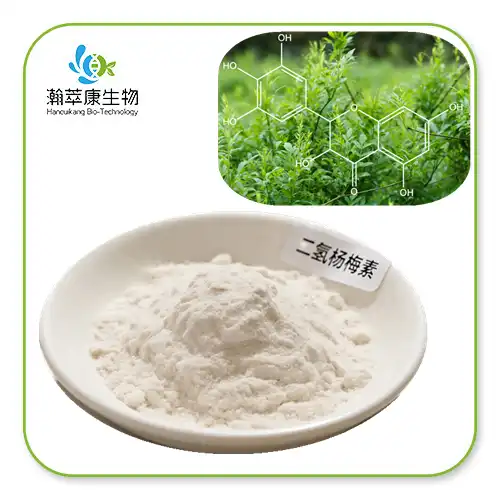

1.What is Dihydromyricetin?
Dihydromyricetin, a special flavonoid extracted from Ampelopsis, is known as “soft gold in flavonoids”. This kind of substance has many peculiar effects, such as scavenging free radicals, antioxidation, antithrombotic, anti-tumor, and anti-inflammatory. And dihydromyricetin is a more special kind of flavonoid.
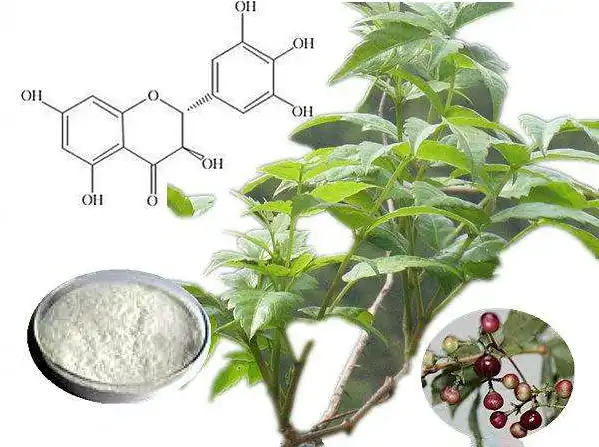
2.What are the characteristics of Dihydromyricetin?
1, The general flavonoids are basically insoluble in water, soluble in ethanol, and dihydromyricetin
is easy to dissolve in hot water, that is to say, as long as the dihydromyricetin in rattan tea can be soaked in open water, the efficacy is better.
2, In addition to the general effect of flavonoids, HMP also has the effect of relieving alcoholism, preventing alcoholic liver, and fatty liver, inhibiting the deterioration of hepatocytes, and reducing the incidence of liver cancer.
3, Dihydromyricetin has a small molecular weight, which is easier to penetrate the blood-brain barrier and works faster.
3. Core Pharmacological Effects
(Verified by cellular and animal studies; partial preliminary human clinical trials conducted)
3.1 Leading Effect: Hangover Relief & Liver Protection (Most Widely Applied)
Accelerates alcohol metabolism: Increases the activity of hepatic alcohol dehydrogenase (ADH) and acetaldehyde dehydrogenase (ALDH) by 3–5 times, rapidly decomposing toxic acetaldehyde into acetic acid and greatly alleviating hangover symptoms (headache, nausea, fatigue).
Hepatocyte protection
Inhibits alcohol-activated CYP2E1 enzyme and reduces free radical damage to the liver.
Raises glutathione (GSH, the liver’s detoxifying substance) by over 40%.
Reduces alanine transaminase (ALT) and aspartate transaminase (AST), improves alcoholic liver disease and fatty liver, and decreases hepatic fat accumulation.
Reduces liver cancer risk: Suppresses liver inflammation and fibrosis, blocks the TGF-β/ALK5 liver fibrosis pathway.Practical dosage: 200 mg taken 30 minutes before drinking alcohol to relieve intoxication discomfort after drinking.
3.2 Powerful Antioxidation & Anti-Aging
Scavenges free radicals including DPPH and superoxide anions, inhibits lipid peroxidation, and exhibits stronger antioxidant activity than vitamin C and tea polyphenols.
Activates longevity genes SIRT1 and AMPK, eliminates senescent cells and repairs DNA to delay systemic tissue aging.
Used as a natural oil antioxidant in food industry to replace artificial preservatives.
3.3 Anti-Inflammatory, Antibacterial & Antiviral
Broad-spectrum bacteriostasis: Effective against Staphylococcus aureus, Escherichia coli, Salmonella, Aspergillus flavus, yeast and other pathogenic bacteria that harm the skin, respiratory tract and digestive tract.
Inhibits the NF-κB inflammatory pathway to relieve chronic low-grade inflammation linked to obesity, metabolic syndrome and respiratory inflammation.
In vitro tests show potential inhibitory effects against some respiratory viruses.
3.4 Metabolic Regulation (Hypoglycemic, Lipid-Lowering, Uric Acid-Reducing)
Auxiliary blood sugar control for type 2 diabetes: Protects pancreatic β-cells, boosts insulin secretion, improves insulin resistance and lowers postprandial blood glucose.
Lipid regulation: Reduces triglycerides (TG) and visceral fat accumulation.
Uric acid reduction: Inhibits xanthine oxidase to curb uric acid production and assist the improvement of hyperuricemia.
3.5 Cardiovascular & Cerebrovascular Protection
Inhibits platelet aggregation to prevent thrombosis and mitigate vascular damage caused by hypertension.
Alleviates vascular endothelial inflammation to assist improvement of hyperlipidemia and arteriosclerosis.
3.6 Neuroprotection
Crosses the blood-brain barrier, exerts anti-oxidative and anti-inflammatory effects, and alleviates brain damage induced by alcohol or ischemia.
Improves memory and relieves brain fog after alcohol intake, anxiety and related conditions.
3.7 Anti-Fibrosis & Anti-Tumor Potential
Targets the TGF-β pathway to ameliorate liver, lung and renal fibrosis; animal experiments show efficacy comparable to pirfenidone, a clinical anti-fibrosis drug.
In vitro tests suppress proliferation of liver, breast, nasopharyngeal and prostate cancer cells, induce cancer cell apoptosis and inhibit tumor angiogenesis.Note: Only laboratory research at present; cannot replace anti-cancer medications.
3.8 Skin Care & Cosmetic Applications
Eliminates skin free radicals, resists photoaging and fades dull complexion.
Antibacterial and anti-acne, soothes redness and sensitive skin; widely added to high-end antioxidant serums and anti-acne skincare products.
4. Application Fields
Health Food & Dietary SupplementsHangover and liver protection tablets, fatty liver conditioning products, fat loss & blood sugar control capsules, anti-aging formulations, hyperuricemia maintenance supplements. Regular single dose: 200–300 mg per day.
Food AdditivesNatural antioxidant preservative for edible oil, meat products and pastries.
Pharmaceutical R&DRaw material for candidate new drugs targeting liver protection, anti-fibrosis and neuroprotection.
Cosmetic Raw MaterialsFunctional additive for anti-oxidation, soothing and anti-acne effects.
Traditional Herbal TeaDaily brewing of vine tea for mild supplementary intake of low-dose dihydromyricetin.
5. Safety, Dosage & Contraindications
5.1 Safety Profile
Extremely low acute toxicity: Oral LD₅₀ in rats exceeds 10 g/kg; no liver or kidney toxicity under conventional consumption.
Good tolerance at 200–600 mg/day in short-term human trials (within 3 months) with no severe adverse reactions.
5.2 Mild Potential Side Effects (Only with Ultra-High Doses)
Diarrhea, mild nausea, cool stomach sensation; fasting intake may trigger gastrointestinal discomfort in sensitive people, recommended to take after meals.
5.3 Contraindications & Precautions
Pregnant and lactating women: No sufficient safety data, prohibited from intake.
Hypoglycemic patients and those taking hypoglycemic drugs: Risk of superimposed hypoglycemia; use under medical supervision.
Patients with poor blood coagulation or scheduled surgery: Mild anticoagulant effect; discontinue 1 week before surgery.
5. Drawback: Low Oral Bioavailability
Pure dihydromyricetin features poor intestinal absorption and short half-life. The industry adopts phospholipid complexation, nanospheres and cyclodextrin inclusion technology to improve absorption efficiency.
6. Distinction: Dihydromyricetin vs Myricetin
Myricetin: Lacks dihydro structure; weaker water solubility, liver targeting and hangover-relieving activity compared with DHM.
Dihydromyricetin: Unique dihydroflavonol skeleton with higher phenolic hydroxyl activity, the exclusive active monomer for hangover relief and liver protection.